

Let me guess—you’re staring in the mirror, scissors in hand, wondering if a DIY haircut is brave or just plain risky. I’ve been there, trust me. One lazy weekend, I skipped the salon and tried trimming my own hair, and surprisingly, it didn’t end in disaster. If you’re curious, nervous, or just tired of salon bills, you’re in the right place.
A DIY haircut isn’t just about saving money. It’s about control, creativity, and confidence. The key is knowing what to do, what not to do, and when to stop.
Why DIY Haircuts Are More Popular Than Ever
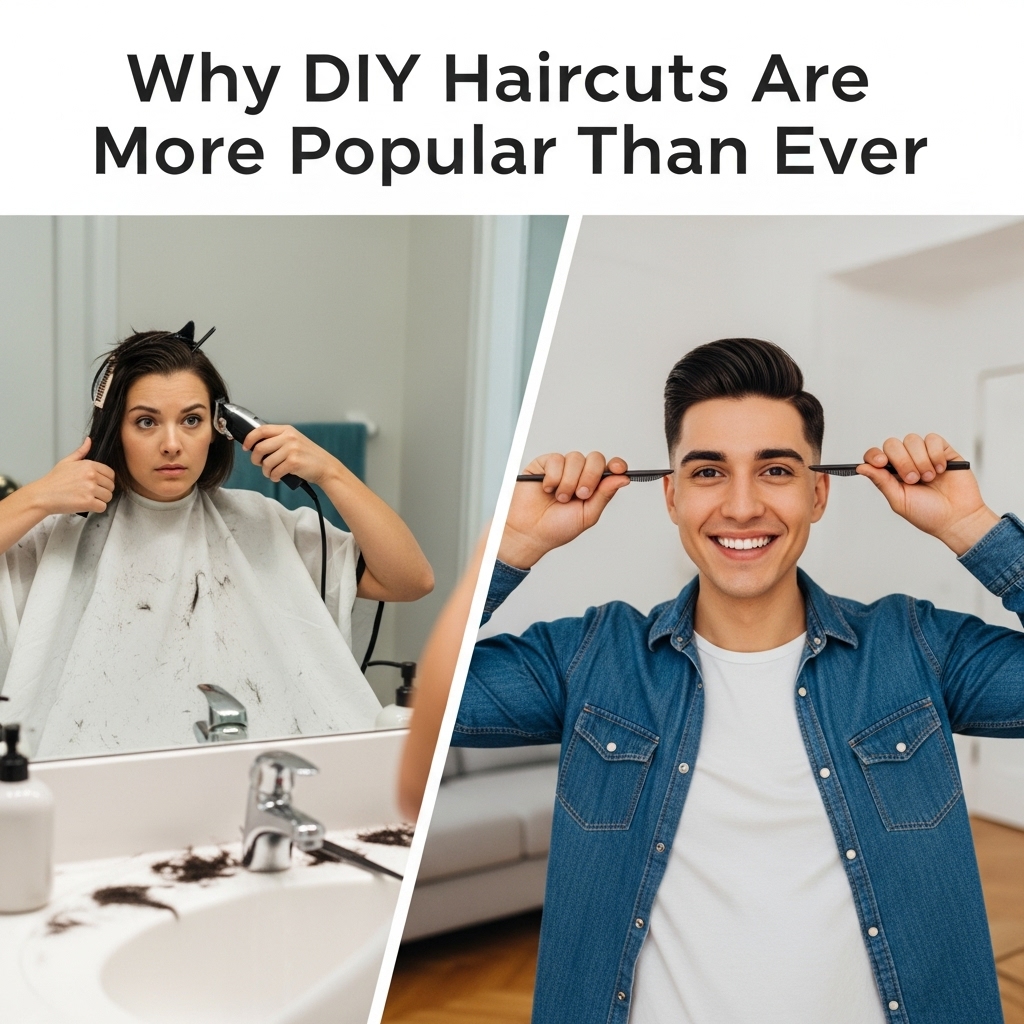
Convenience Meets Confidence
Let’s be real—salon visits take time. A DIY haircut lets you work on your schedule. Late night trim? No problem. Quick bang refresh before a meeting? Done.
People also love the freedom. You decide the length, the style, and the pace. No awkward small talk required, FYI .
Saving Money Adds Up
Haircuts aren’t cheap. Over a year, those costs stack up fast. A DIY haircut can save you hundreds if you maintain simple styles.
Here’s why many people switch:
- Lower cost over time
- No travel or waiting
- Easy touch-ups anytime
- Skill improvement with practice
IMO, once you learn the basics, it feels empowering.
Before You Cut: What You Really Need
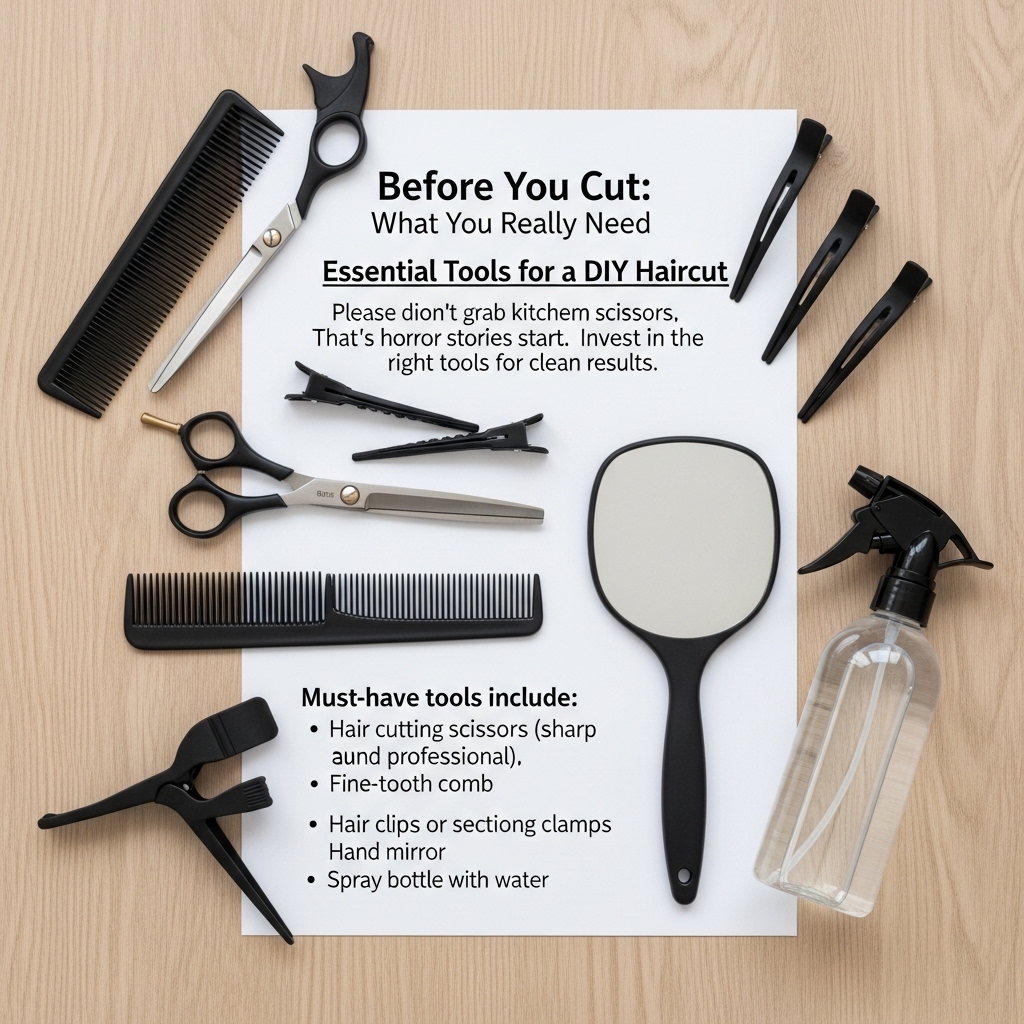
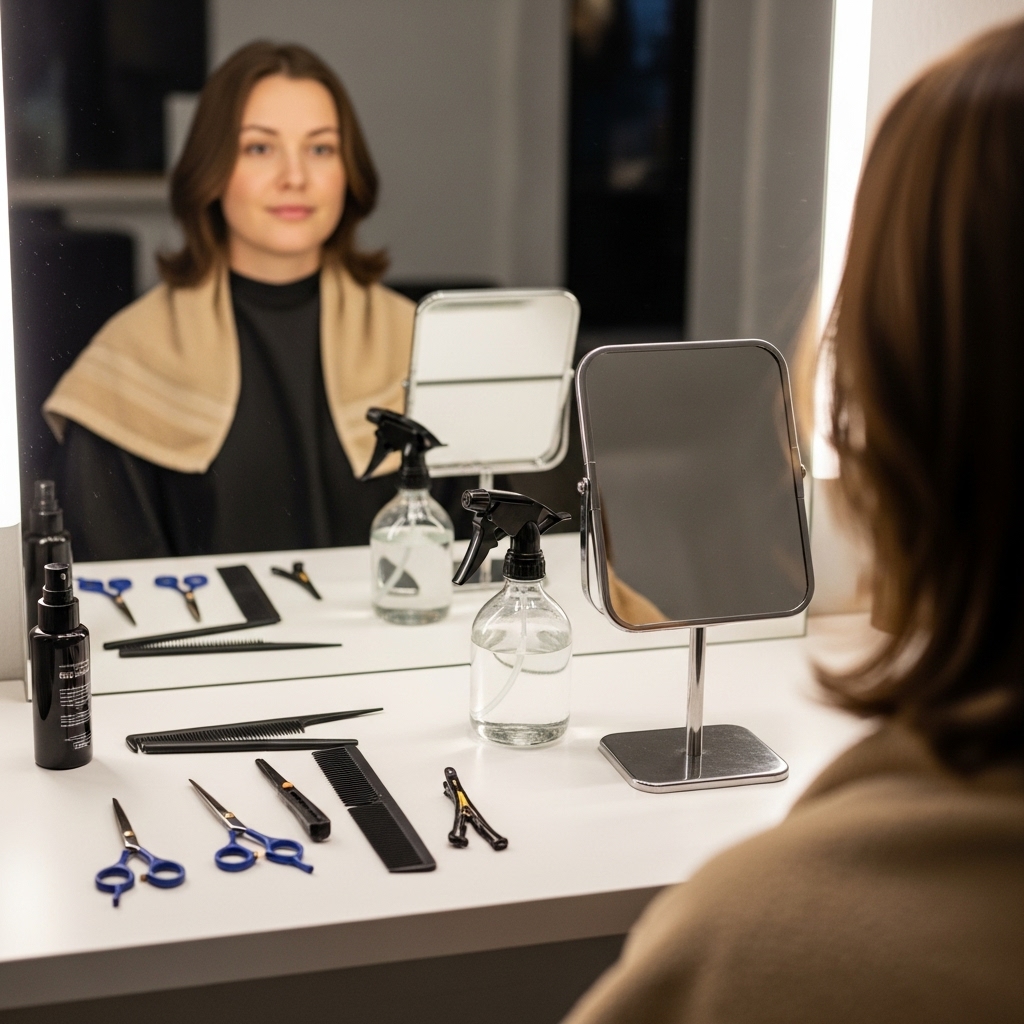
Essential Tools for a DIY Haircut
Please don’t grab kitchen scissors. That’s how horror stories start. Invest in the right tools for clean results.
Must-have tools include:
- Hair cutting scissors (sharp and professional)
- Fine-tooth comb
- Hair clips or sectioning clamps
- Hand mirror
- Spray bottle with water
Good tools won’t magically fix mistakes, but they reduce them.
Set Up the Right Space
Lighting matters more than you think. Cut your hair in a bright room with a mirror at eye level. Wear a dark shirt if your hair is light, or vice versa.
Keep the floor clear and have a towel ready. This keeps the mess manageable and your focus sharp.
Choosing the Right DIY Haircut Style
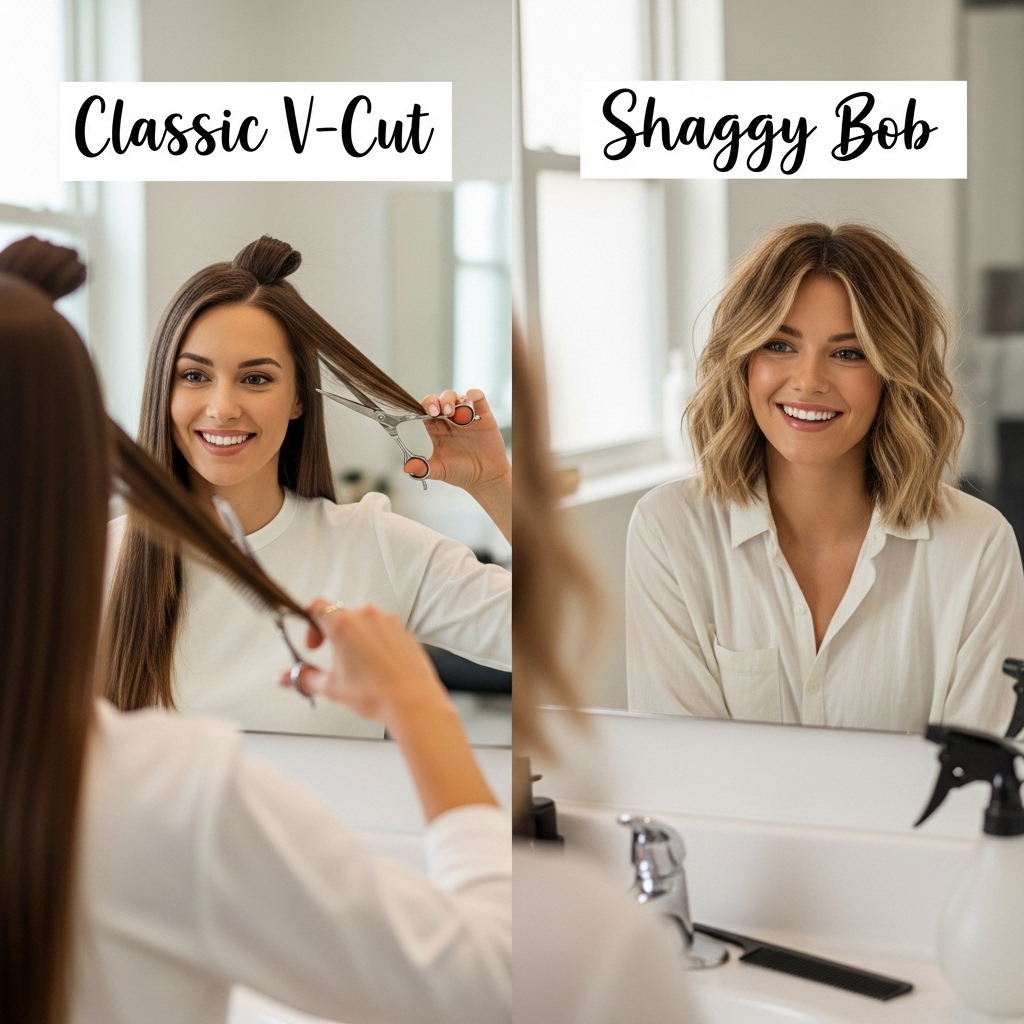
Start Simple, Always
If this is your first DIY haircut, keep it basic. Trims and light layers are safer than drastic changes.
Beginner-friendly options:
- Straight trims
- Long layers
- Curtain bangs
- Dusting split ends
Ask yourself: can this style forgive small mistakes? If yes, go for it.
Styles to Avoid at First
Some haircuts need professional angles and experience. Save these for later.
Avoid:
- Pixie cuts
- Razor cuts
- Heavy layering
- Asymmetrical bobs
Confidence is good, but patience is better.
Step-by-Step: How to Do a DIY Haircut Safely
Step 1: Start With Clean, Damp Hair
Wash your hair and towel-dry it gently. Damp hair gives more control and accuracy. Dry hair hides uneven lines.
Comb through to remove tangles. Smooth hair cuts more evenly.
Step 2: Section Like a Pro
Sectioning is everything. Divide your hair into clean, even parts.
Basic sectioning method:
- Middle part from forehead to neck
- Split into left and right
- Clip away sections you’re not cutting
This keeps your lines straight and mistakes minimal.
Step 3: Cut Less Than You Think
This is the golden rule of a DIY haircut. Always cut less than you want. You can go shorter later, but you can’t glue hair back.
Trim in small increments. Step back often and check symmetry using a mirror.
Cutting Bangs at Home (Yes, You Can)

Curtain Bangs for Beginners
Curtain bangs are forgiving and trendy. They blend easily and grow out well.
How to do it:
- Create a small triangle at the front
- Cut vertically, not straight across
- Start long and slowly refine
This method avoids harsh lines and panic moments.
Bangs Mistakes to Avoid
Don’t cut bangs when your hair is fully wet. They shrink when dry. Also, never pull hair tight while cutting.
If in doubt, stop. Bangs demand patience.
DIY Haircut Tips by Hair Type
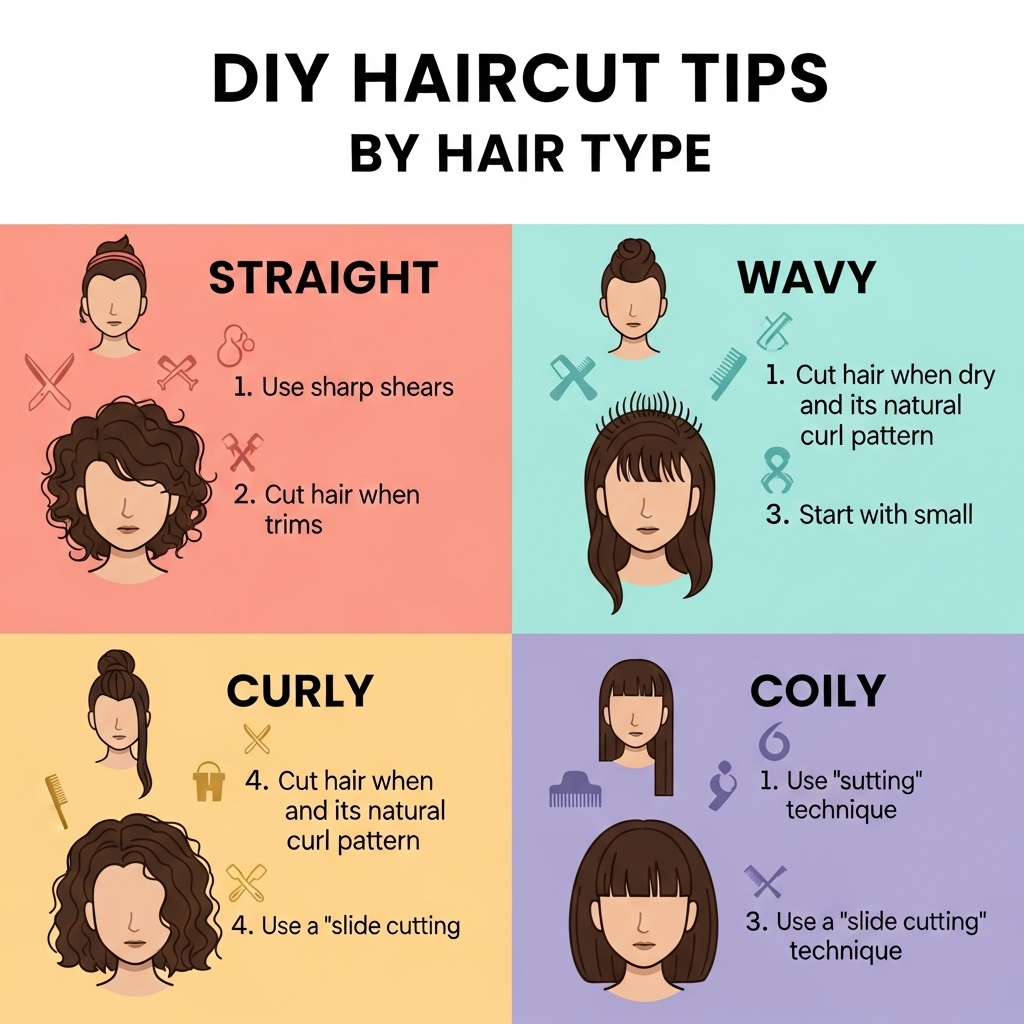
Straight Hair
Straight hair shows mistakes easily. Precision matters here.
Tips:
- Cut slowly
- Keep scissors straight
- Check balance often
Clean lines make all the difference.
Wavy or Curly Hair
Curly hair is forgiving but tricky. Cut curls dry or slightly damp for accuracy.
Remember:
- Curls spring up
- Cut curl by curl
- Avoid over-layering
Less is more with curls, always.
Styling After Your DIY Haircut
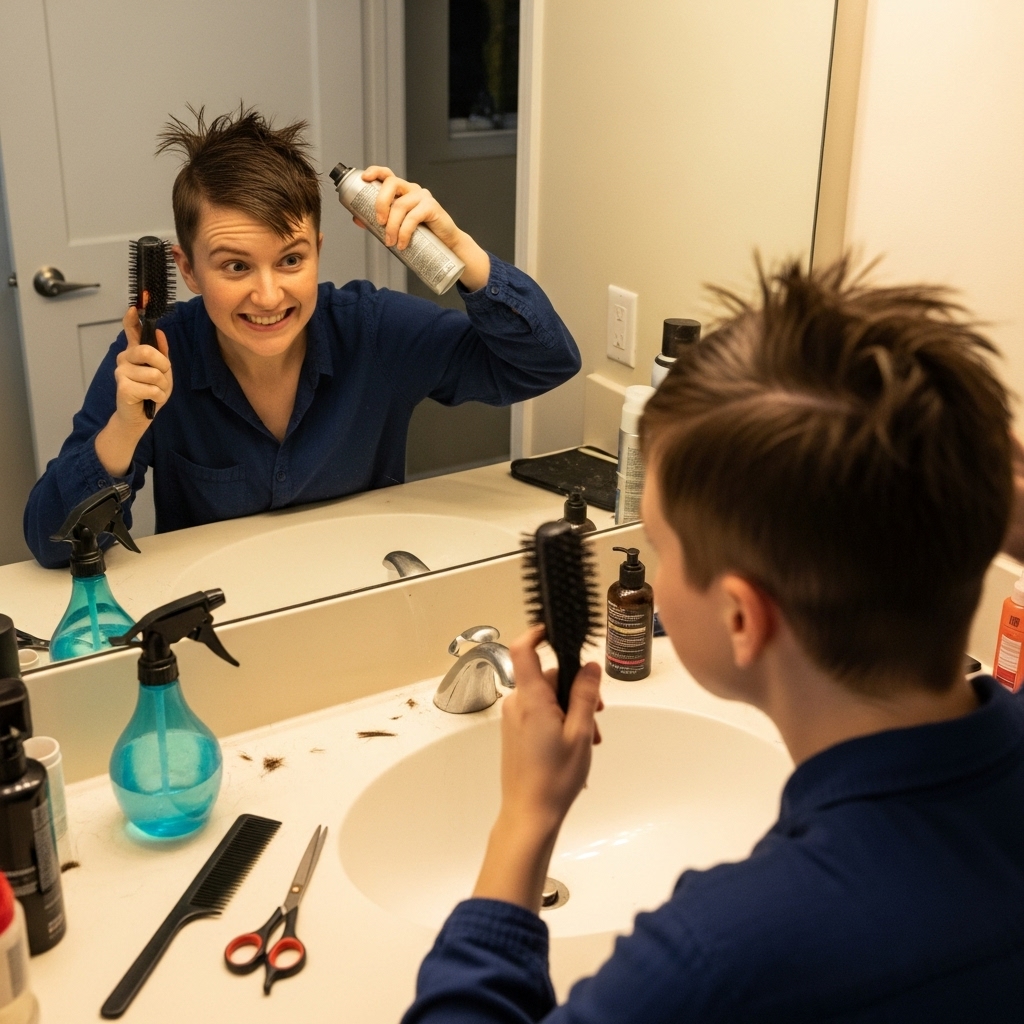
Check the Final Shape
Once your hair is dry, style it normally. This reveals uneven spots.
Use this checklist:
- Does it frame your face well?
- Are both sides even?
- Do layers blend smoothly?
Small touch-ups are okay, but don’t chase perfection.
Products Make a Difference
Styling products can elevate a DIY haircut fast. Use lightweight products to enhance shape.
Helpful options:
- Texturizing spray
- Smoothing serum
- Light hold styling cream
Good styling hides tiny flaws easily
Common DIY Haircut Mistakes (And How to Fix Them)
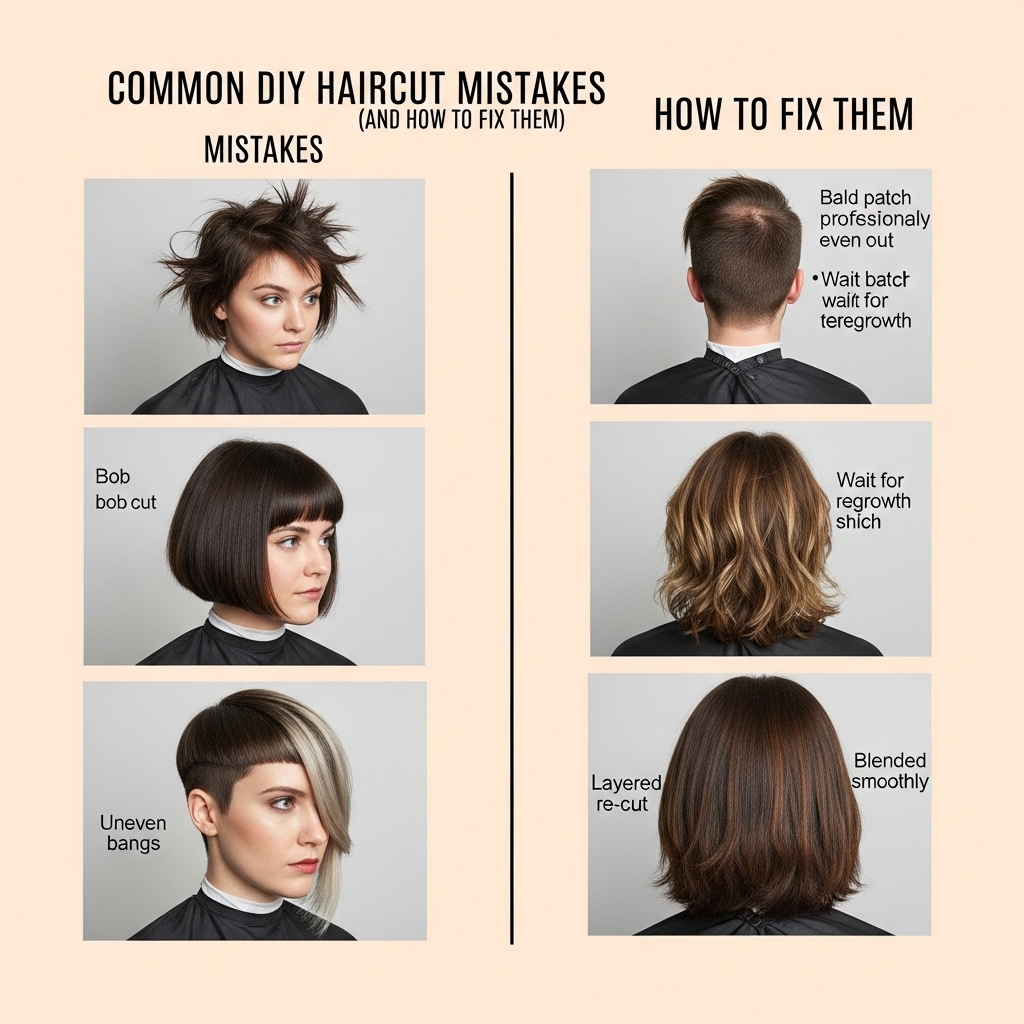
Cutting Too Much at Once
This happens when excitement takes over. Slow down and breathe. Fix uneven cuts by blending, not chopping.
Use point-cutting instead of blunt cuts. It softens harsh edges.
Uneven Sides
Check symmetry often. Tilt your head naturally, not straight or stiff. Hair falls differently when relaxed.
Use mirrors from multiple angles to catch issues early.
When a DIY Haircut Is a Bad Idea
Know When to Stop
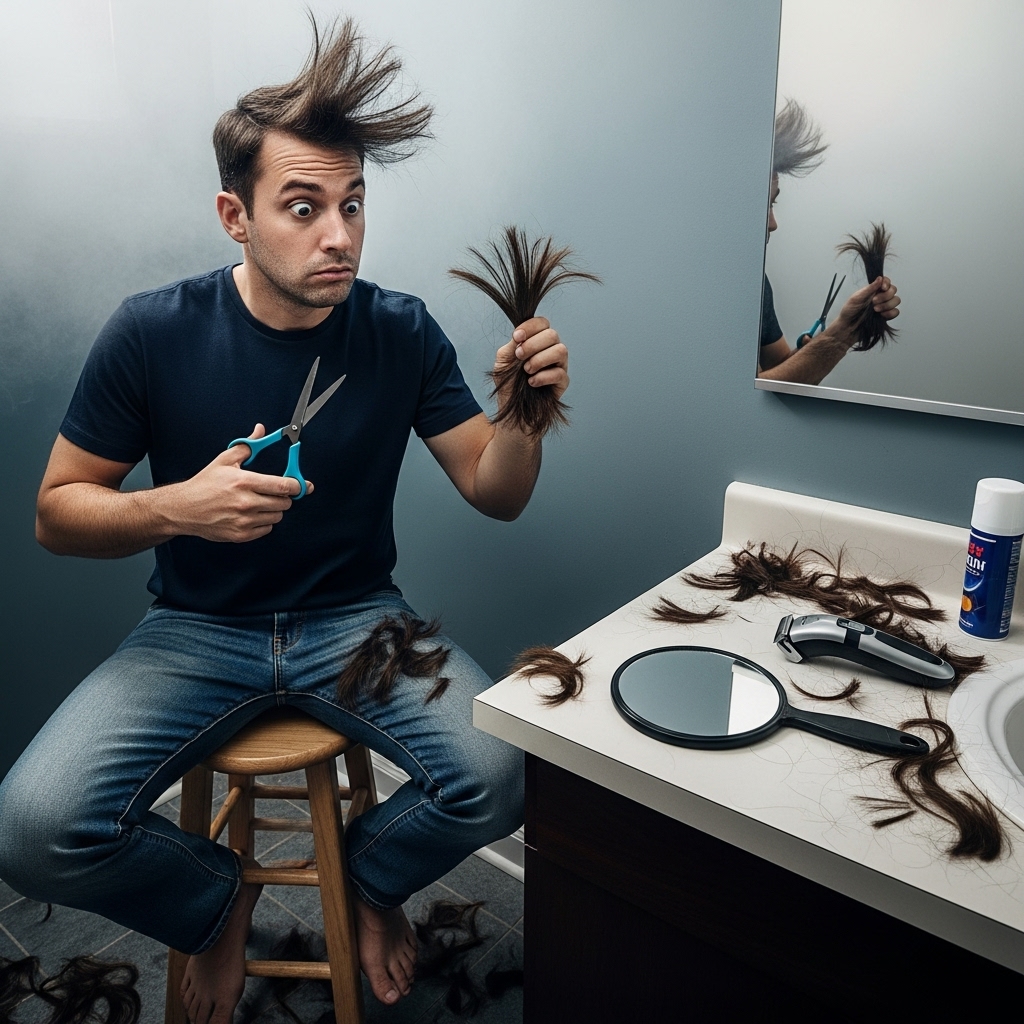
Some days, hair just won’t cooperate. If frustration hits, step away.
Signs to stop:
- Hair looks worse with each cut
- You’re rushing
- You feel stressed
There’s no shame in calling a professional when needed.
Fixing DIY Haircut Disasters
If things go wrong, don’t panic. Most mistakes are fixable.
Quick solutions:
- Add texture
- Style differently
- Book a correction trim
Even stylists mess up sometimes. You’re human too.
How to Improve Your DIY Haircut Skills Over Time
Practice Makes Progress
Your first DIY haircut won’t be perfect. That’s normal. Each attempt teaches something new.
Start with trims. Move to layers later. Progress builds confidence.
Learn From Visual Guides
Watch tutorials from licensed stylists. Pause and rewind often.
Stick to one technique at a time. Mixing methods causes confusion.
DIY Haircut Myths You Should Ignore
“You’ll Ruin Your Hair Forever”
Not true. Hair grows back. Most mistakes are temporary.
“Only Professionals Can Cut Hair”
Professionals train for years, yes. But simple maintenance cuts are totally doable at home.
Knowledge beats fear every time.
Conclusion:
A DIY haircut is part skill, part courage, and part patience. When done right, it saves money, builds confidence, and gives you total control over your look. Start small, use the right tools, and respect your limits.
If you mess up, laugh it off. I’ve had uneven layers before, and guess what—it grew back. So take a deep breath, trim slowly, and enjoy the process. Your mirror might just surprise you .