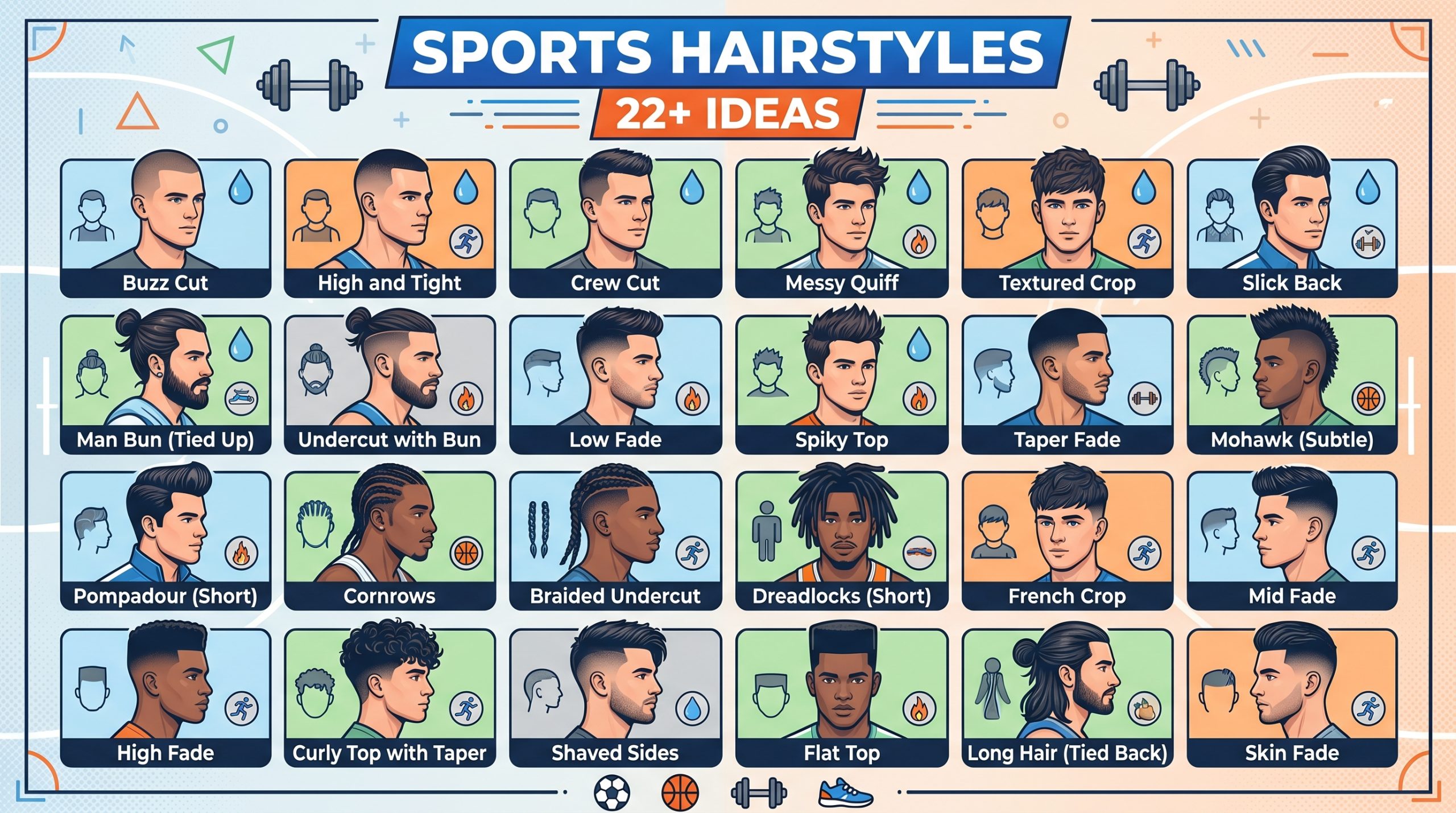
You’ve been mid-workout — heart rate elevated, fully locked in, performance on point — and then your hair escapes its tie, falls across your face, and suddenly all of that focus evaporates. You’re pulling at flyaways, retying a ponytail that won’t cooperate, and completely losing the momentum you worked hard to build. Every athlete, every gym regular, every person who has ever exercised with hair longer than an inch knows this exact frustration intimately. Sports Hairstyle
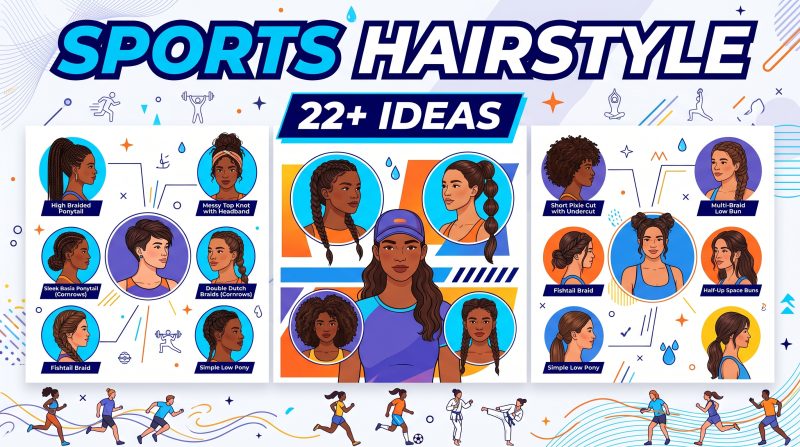
I’ve trained with hair that was actively working against me for longer than I care to admit. A ponytail that slapped my face with every stride. A bun that collapsed thirty minutes into a yoga class. Braids that looked great in the mirror but created so much tension during a long run that I had a headache before I hit the two-mile mark. Finding the right sports hairstyle isn’t a vanity exercise — it’s a genuine performance consideration. The right style keeps you comfortable, keeps your hair protected, and keeps your focus exactly where it belongs: on what you’re doing. This guide covers everything you need to know to make that happen.
Why Your Sports Hairstyle Matters More Than You Think
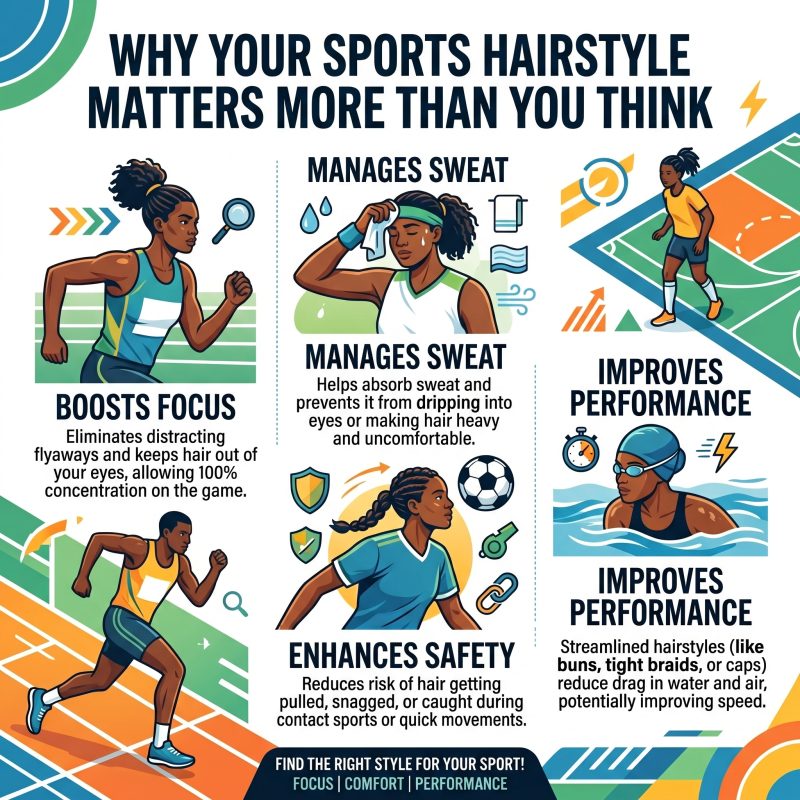
Here’s something that doesn’t get talked about enough in fitness spaces: your hairstyle directly affects your athletic performance. That’s not an exaggeration. Hair in your face disrupts your vision. Hair pulling at your scalp creates distraction and discomfort. Hair tangling around equipment creates genuine safety concerns. The wrong style for the wrong activity creates friction, breakage, and the kind of ongoing irritation that quietly erodes the quality of your training session. Sports Hairstyle
Beyond pure performance, your sports hairstyle also impacts your hair health. Repeated tight elastic placement in the same spot causes breakage over time. Styles that trap excessive heat and sweat against the scalp can affect scalp health and hair growth. Training with hair left completely loose causes mechanical damage through tangling and friction. Understanding these factors helps you make choices that serve both your workout and your hair’s long-term health simultaneously.
The Golden Rules for Every Sports Hairstyle
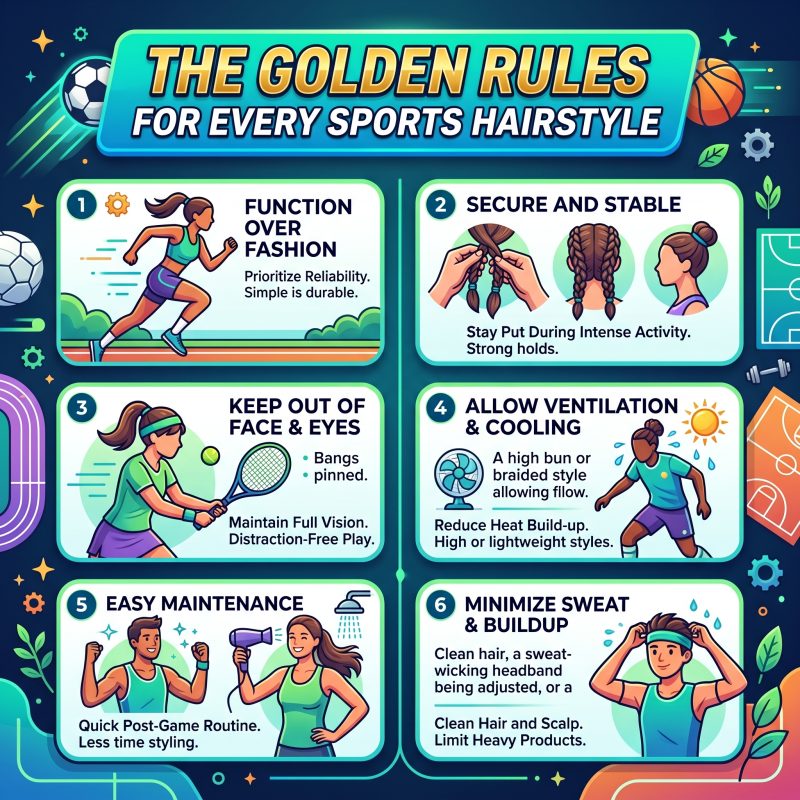
Before we get into the specific styles, let’s establish the principles that apply to every great sports hairstyle regardless of activity, hair type, or personal preference. Sports Hairstyle
1: Security Over Everything
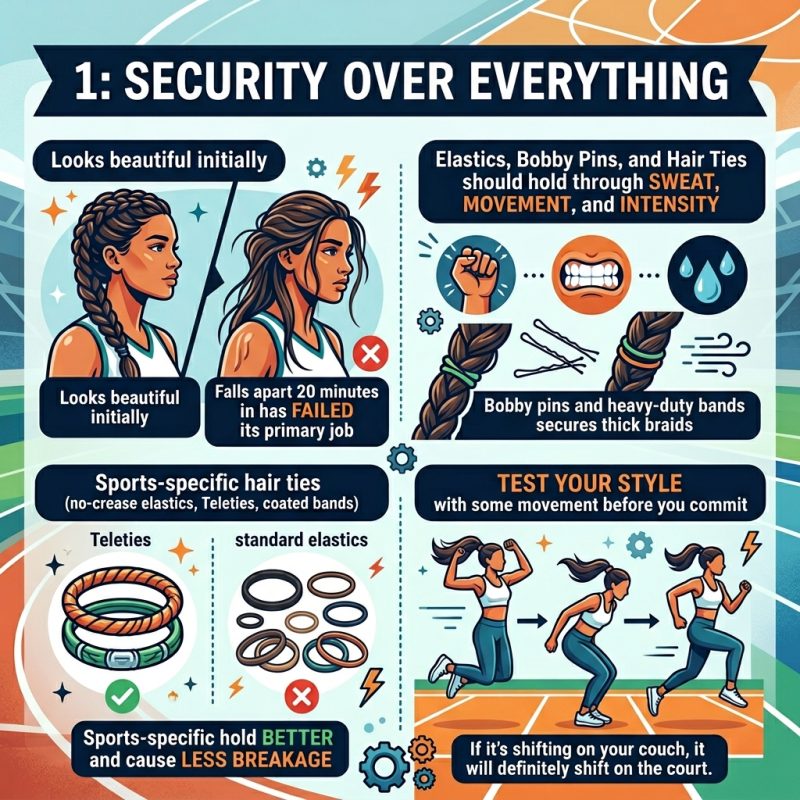
- A sports hairstyle that looks beautiful but falls apart 20 minutes in has failed its primary job
- Elastics, bobby pins, and hair ties should hold through sweat, movement, and intensity
- Sports-specific hair ties (no-crease elastics, Teleties, coated bands) hold better and cause less breakage than standard elastics
- Test your style with some movement before you commit — if it’s shifting on your couch, it will definitely shift on the court
2: Scalp Tension Awareness
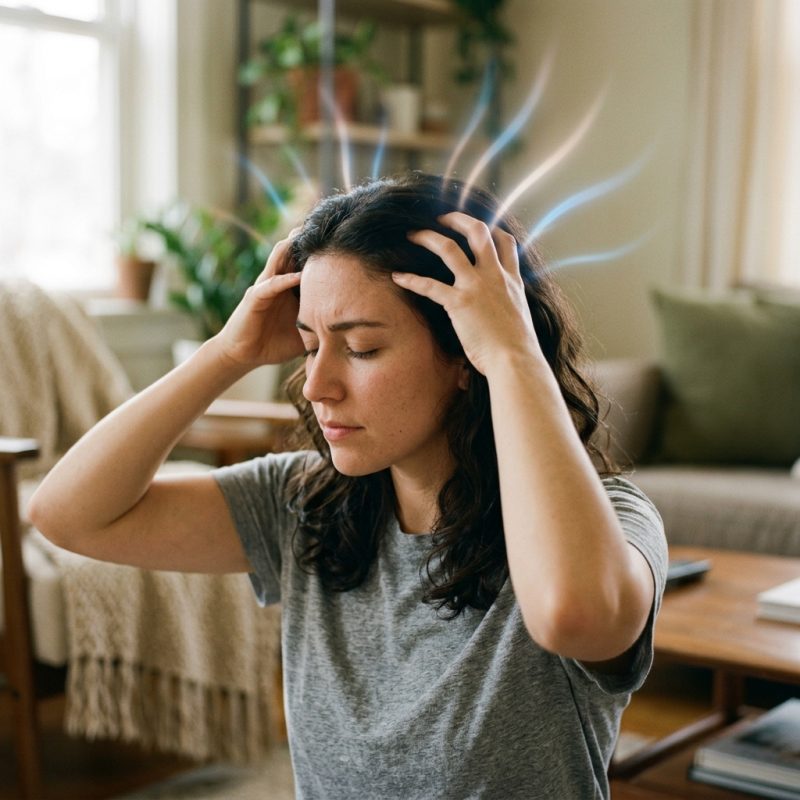
- Overly tight styles cause tension headaches and hairline damage — especially problematic during cardio when blood pressure rises
- Tight enough to stay secure is the goal; so tight it hurts is a problem, not a feature
- Rotate your style placement — alternating between high, mid, and low positions distributes stress and prevents breakage at any single point
- If your scalp is sore after training, your style is too tight
3: Match the Style to the Activity
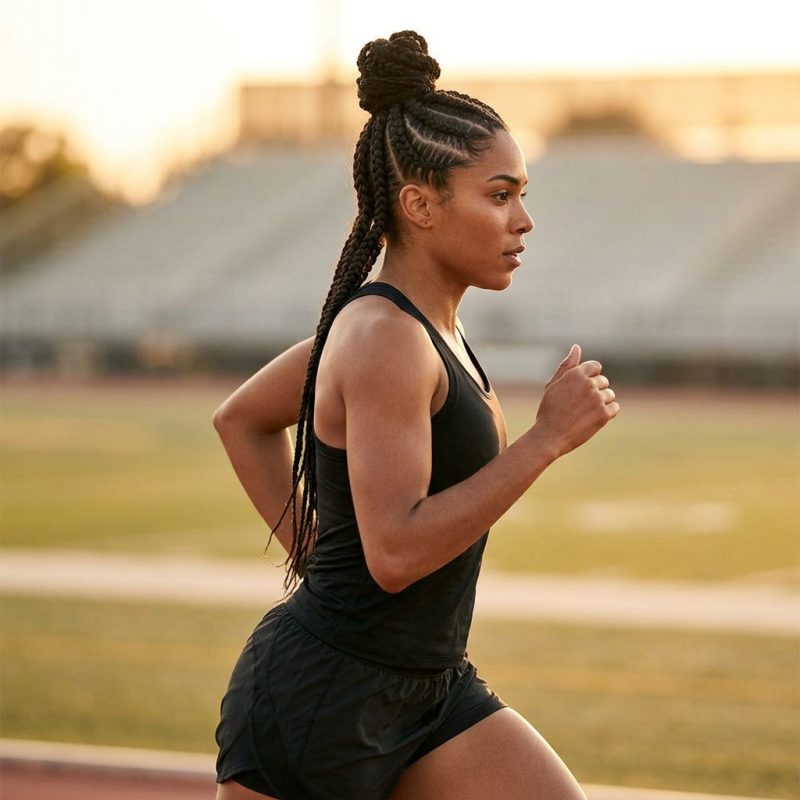
- High-impact activities (running, HIIT, jump training) need maximum security — braids and high buns
- Moderate-impact activities (cycling, weight training, hiking) can accommodate a greater range of styles
- Low-impact activities (yoga, Pilates, walking) allow the most flexibility — even a loose braid or half-up style can work
- Water activities need specific consideration — styles that hold through full submersion and dry without excessive tangling
4: Protect Your Edges and Hairline
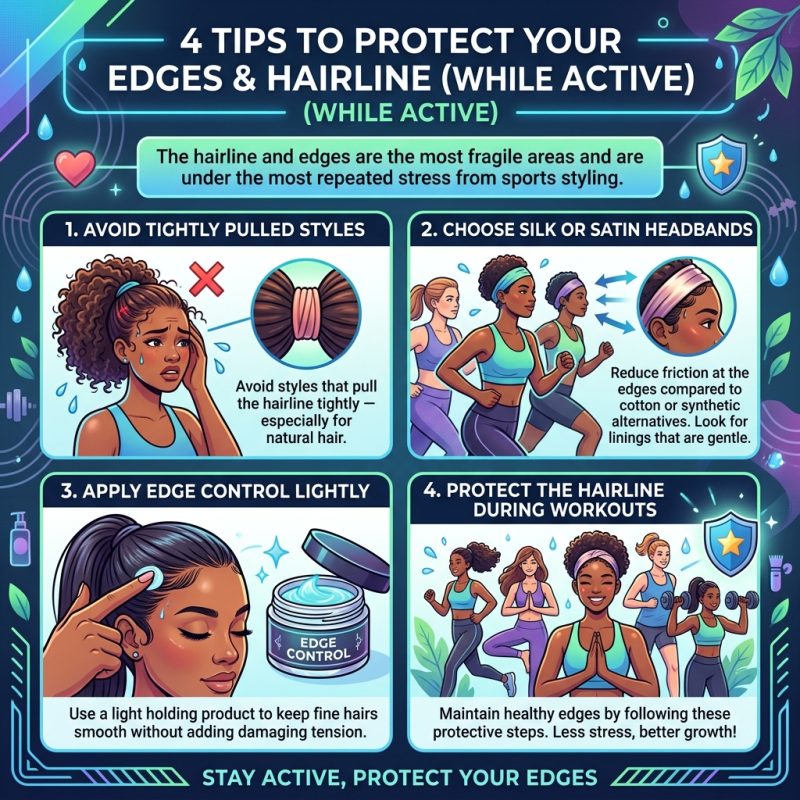
- The hairline and edges are the most fragile areas and are under the most repeated stress from sports styling
- Avoid styles that pull the hairline tightly — especially for natural hair
- Silk or satin-lined athletic headbands reduce friction at the edges compared to cotton or synthetic alternatives
- Edge control or a light holding product at the hairline keeps fine hairs smooth without adding damaging tension
The Best Sports Hairstyles by Activity
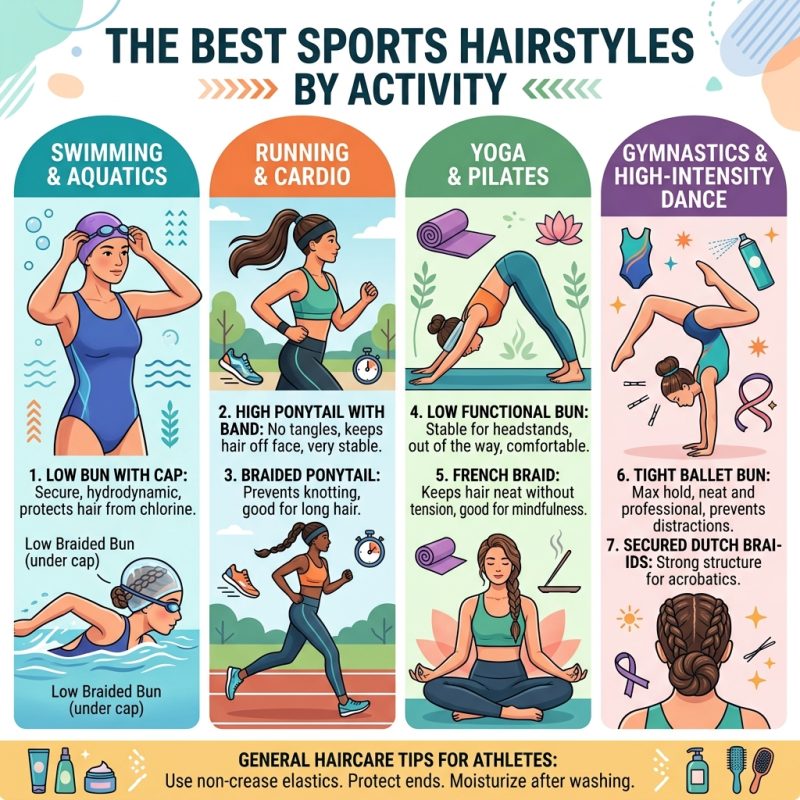
Here are the styles that genuinely deliver for specific activities — each chosen for their security, comfort, and compatibility with real athletic movement.
1. The High Ponytail
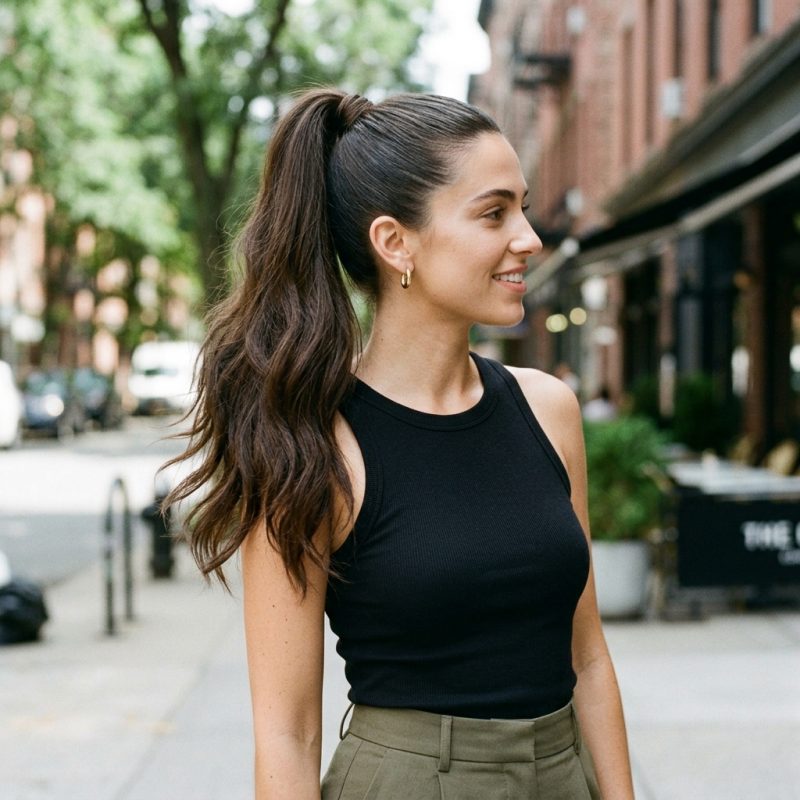
The high ponytail is the most universal sports hairstyle for good reason — it’s fast, it’s secure when done right, and it keeps hair completely clear of the face and neck.
- Position the ponytail directly at the crown rather than the back of the head for maximum security and bounce control
- Use two hair ties — the second one about an inch below the first — for styles that need to survive high-impact training
- Wrap a small section of hair around the base to cover the tie for a cleaner finish that also prevents the elastic from snagging
- For longer or thicker hair, twist the ponytail once before securing the second elastic to prevent excess swing
Best for: Running, cycling, gym training, cardio classes, and any high-impact activity where face clearance is the priority.
2. The Dutch Braid (Inside-Out Braid)
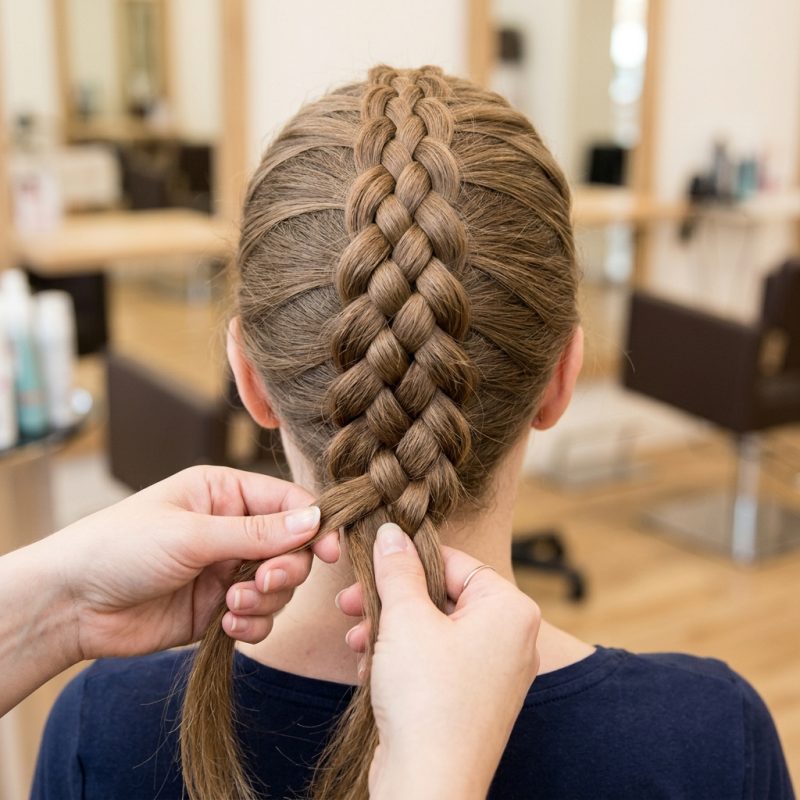
The Dutch braid — also called the inside-out or reverse braid — is the gold standard sports hairstyle for activities that involve significant head movement, contact, or extended duration. It lies flat against the scalp, distributes tension evenly, and genuinely doesn’t move.
- Part hair down the center for two Dutch braids or braid everything into a single Dutch braid down the back
- Incorporate hair from the hairline forward to keep the style sleek and prevent any loose pieces from escaping
- Secure the end with a small, strong elastic and tuck the tail under for the most secure finish
- Double Dutch braids are particularly effective for high-impact sports and team sports where contact is involved
FYI — Dutch braids are not just functionally superior to most sports hairstyles; they also look genuinely great and hold up well enough that you can go from a training session to running errands without any touch-ups. That’s a serious efficiency win. 😊
Best for: Team sports, martial arts, dance, gymnastics, swimming, and any activity lasting over an hour.
3. The Secure Bun (High or Mid)
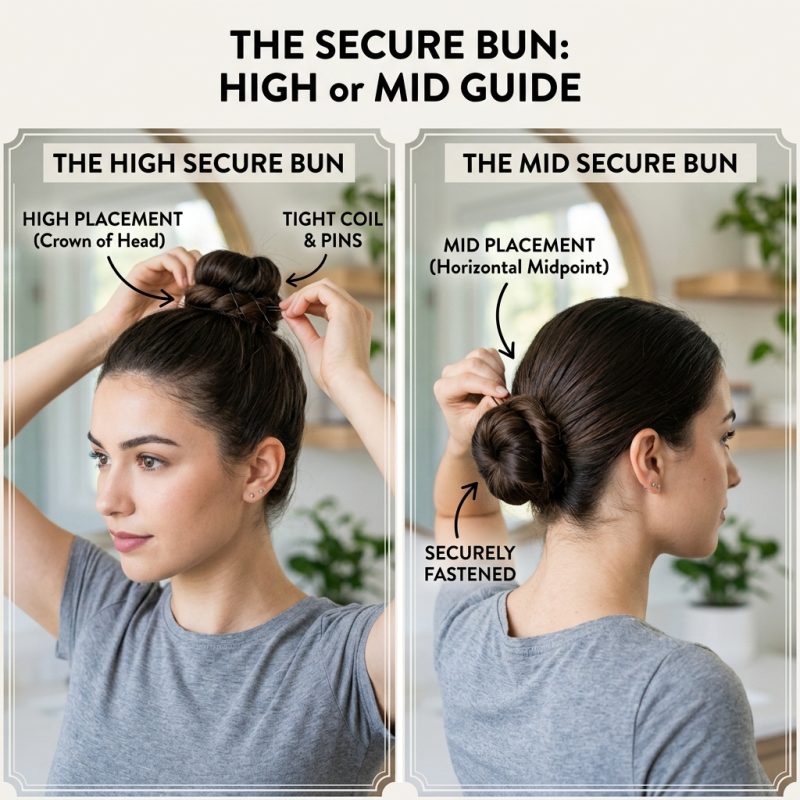
When you need your hair fully contained — not swinging, not bouncing, just completely out of the equation — the secure bun is your answer. The key word is “secure,” because a loosely constructed bun falls apart under athletic movement.
- Build the bun on a tight, firm ponytail base first
- Twist or braid the ponytail before wrapping it into the bun for significantly better hold
- Use two or three bobby pins crossed in an X formation at opposite points of the bun
- A bun net or bun ring adds extra stability for very high-impact styles
Styling tip: A sock bun — created by rolling hair over a foam donut ring — is the most structurally stable bun variation for sports because the ring acts as an internal anchor.
Best for: Yoga, Pilates, gymnastics, dance, swimming, and any activity where neck range of motion matters.
4. The French Braid
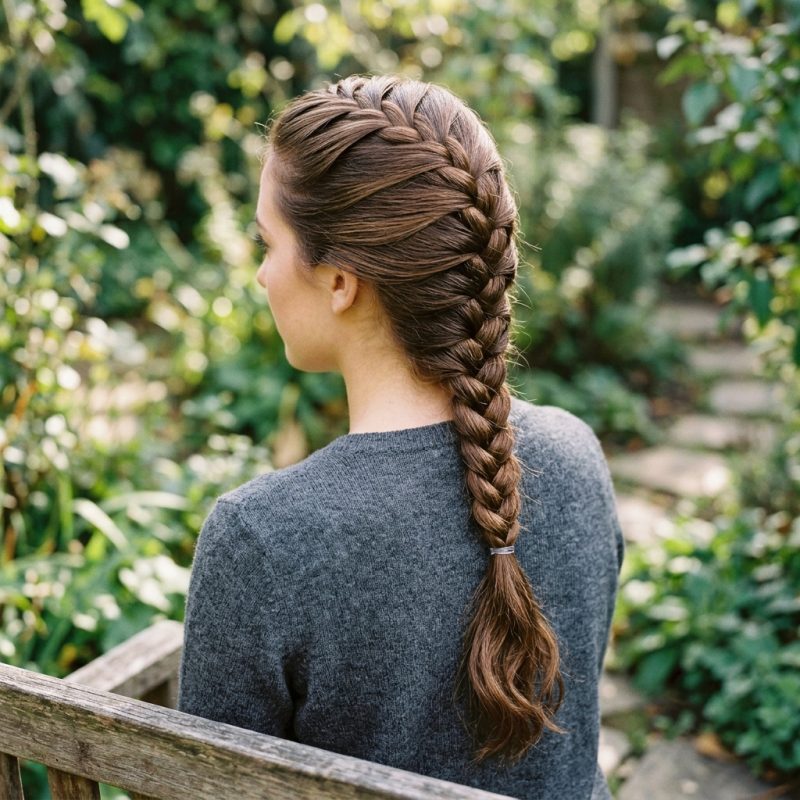
The French braid is a single, woven braid that incorporates hair from the scalp as it moves down the head — creating a flat, secure profile that distributes tension across the entire head rather than concentrating it at one point.
- Start the braid high at the crown and work tightly but not painfully down the head
- Keep sections even and taut throughout the braid for a style that maintains its structure under movement
- Secure with a strong elastic and tuck the end under for the cleanest finish
- For long hair, the French braid’s tail can be tucked and pinned at the nape to eliminate all swinging movement
Best for: Running, hiking, outdoor sports, and activities where wind and extended duration are factors.
5. The Athletic Half-Up
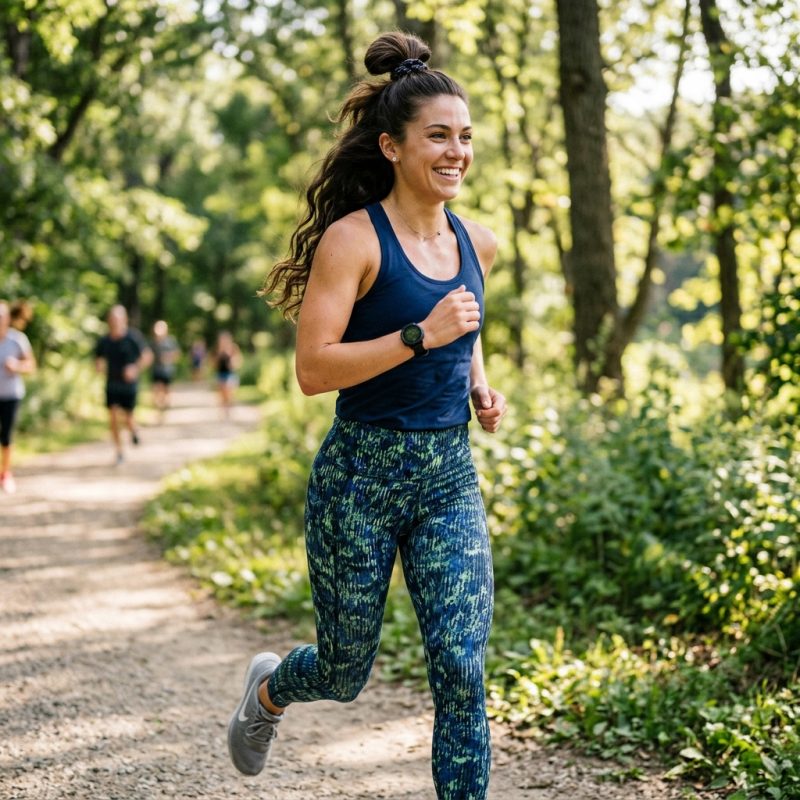
The athletic half-up is the sports hairstyle for moderate-intensity activities where full containment isn’t necessary but face clearance is still important.
- Gather the top half of the hair — from the temples and crown — into a secure tie at the back of the head
- Add a second elastic about three inches down for a half-up half-down style that also controls the length
- A small braid at the front on each side before gathering into the half-up adds extra security at the hairline
- Works beautifully with a sports headband that catches any remaining flyaways at the front
Best for: Weight training, cycling, hiking, yoga, and lower-intensity cardio where some movement in the lower hair is acceptable.
6. The Space Buns
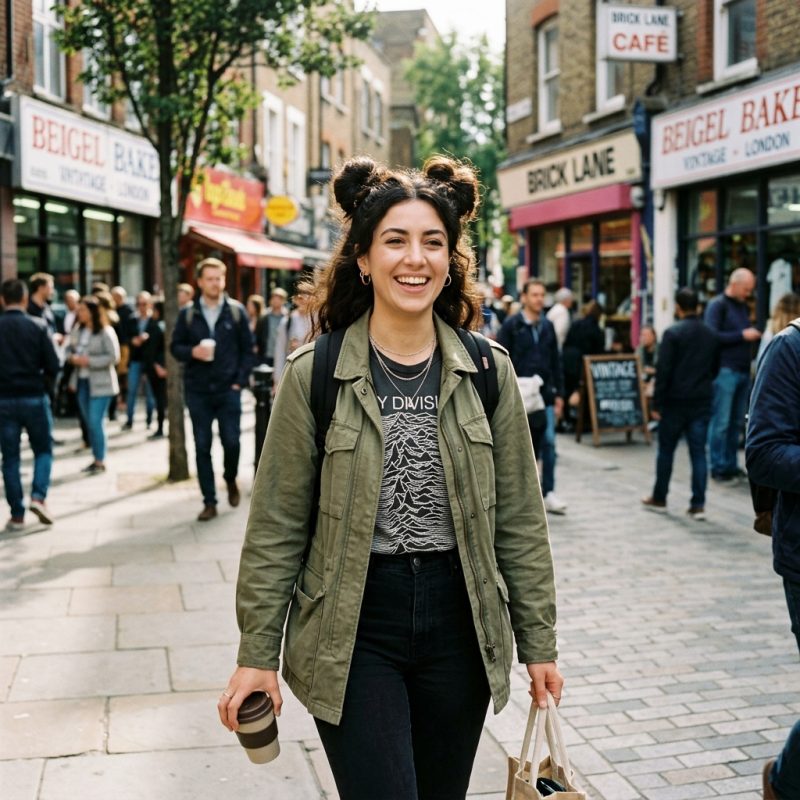
Space buns have crossed over from festival aesthetic to genuine sports utility — and it makes complete sense when you think about it. Two secure buns placed high on the head distribute weight evenly, stay put better than a single high bun, and keep hair entirely out of the way.
- Create two even sections from a center part
- Build each bun tightly using the same technique as a single secure bun
- Bobby pin both thoroughly — at least three pins per bun in an X formation
- Add a sports headband across the forehead for complete hairline control
IMO, space buns are one of the most underrated sports hairstyles for women with medium to long hair. They’re secure, practical, balanced, and genuinely fun — and when was the last time a hairstyle was all four of those things at once? 💪
Best for: HIIT, dance classes, jump training, and any high-energy activity where a single bun might feel off-balance.
Sports Hairstyles for Different Hair Types
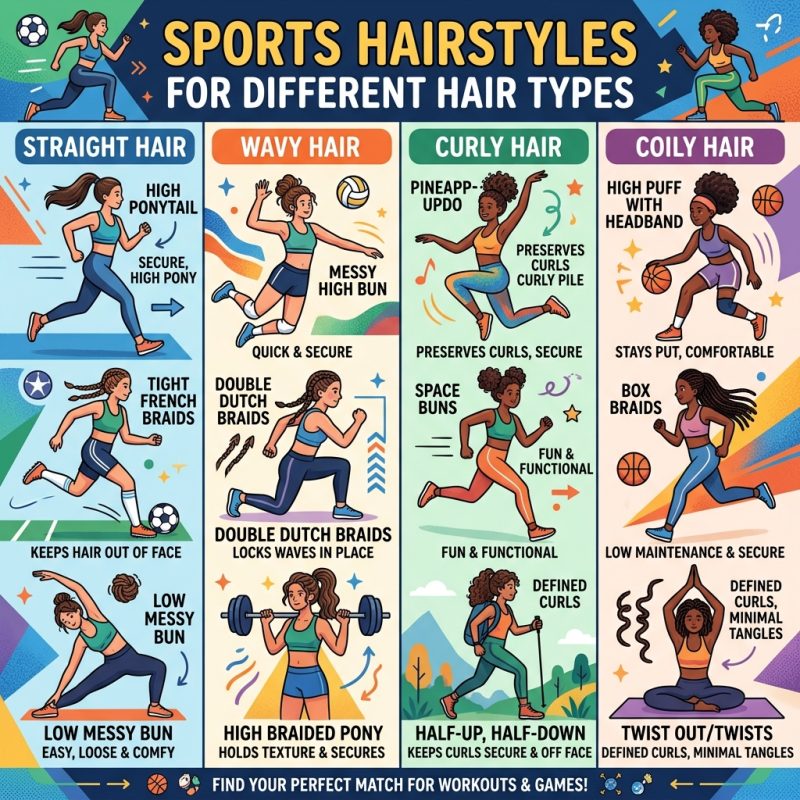
The right technique varies significantly depending on your hair type. Here’s how to maximize every style above for your specific texture.
Fine or Straight Hair
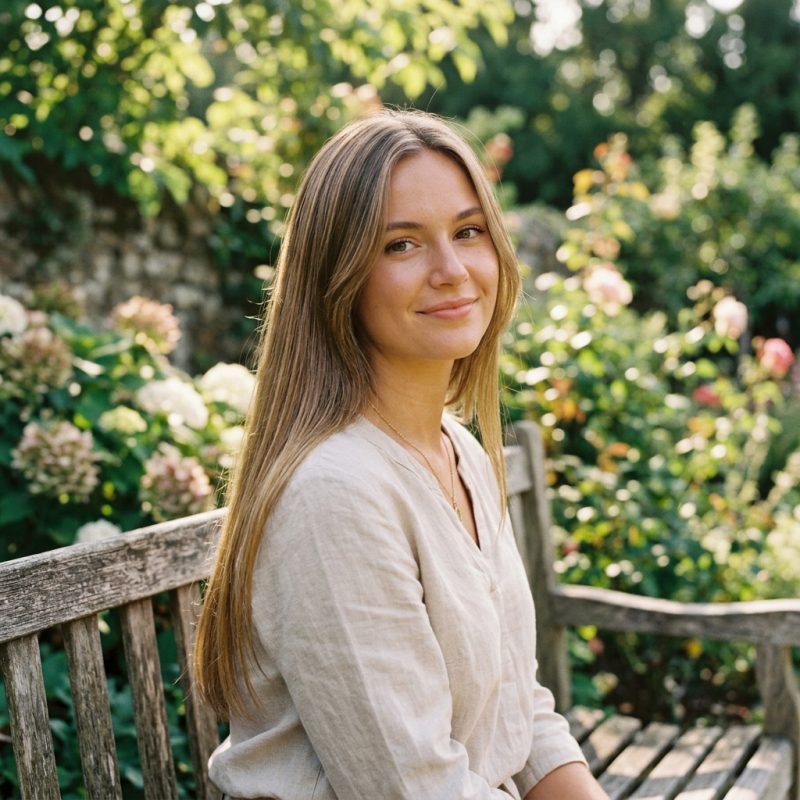
- Texturizing spray or dry shampoo before styling adds grip that fine hair lacks naturally
- Use multiple smaller elastics rather than relying on one large one for hold
- Backcombing the ponytail base lightly before securing adds volume and improves grip
- Avoid overly sleek styles — the smoother the surface, the faster fine hair slips out of elastics
Thick or Coarse Hair
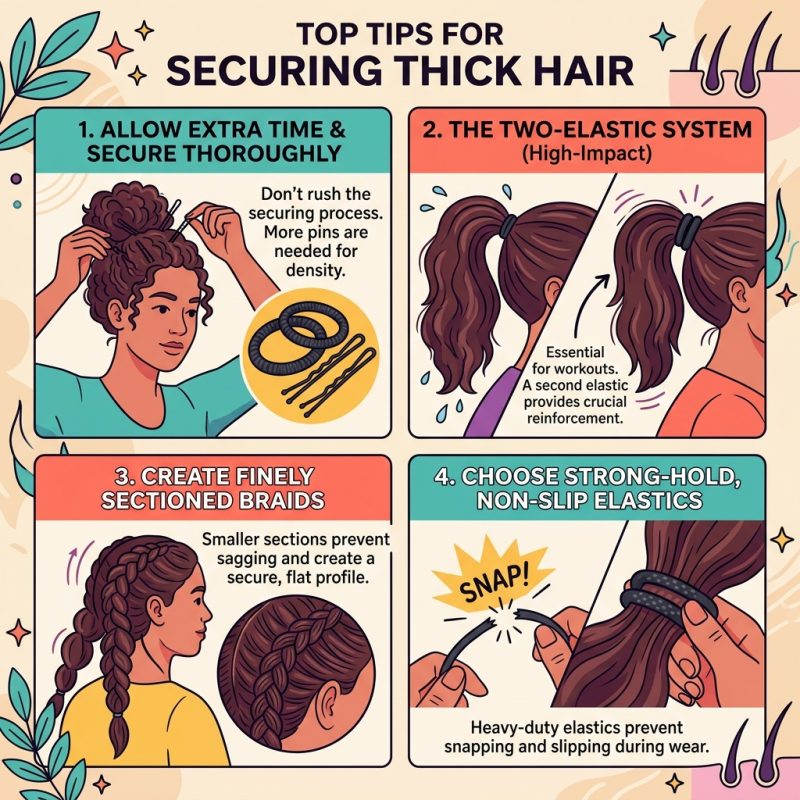
- Allow extra time for securing — thick hair needs more pins and stronger elastics
- Two-elastic systems are essential for ponytails that need to survive high-impact training
- Sectioning braids more finely creates a flatter, more secure profile that doesn’t pull away from the scalp
- Strong-hold elastics specifically designed for thick hair prevent the snapping and slipping that standard ties cause
Curly and Natural Hair
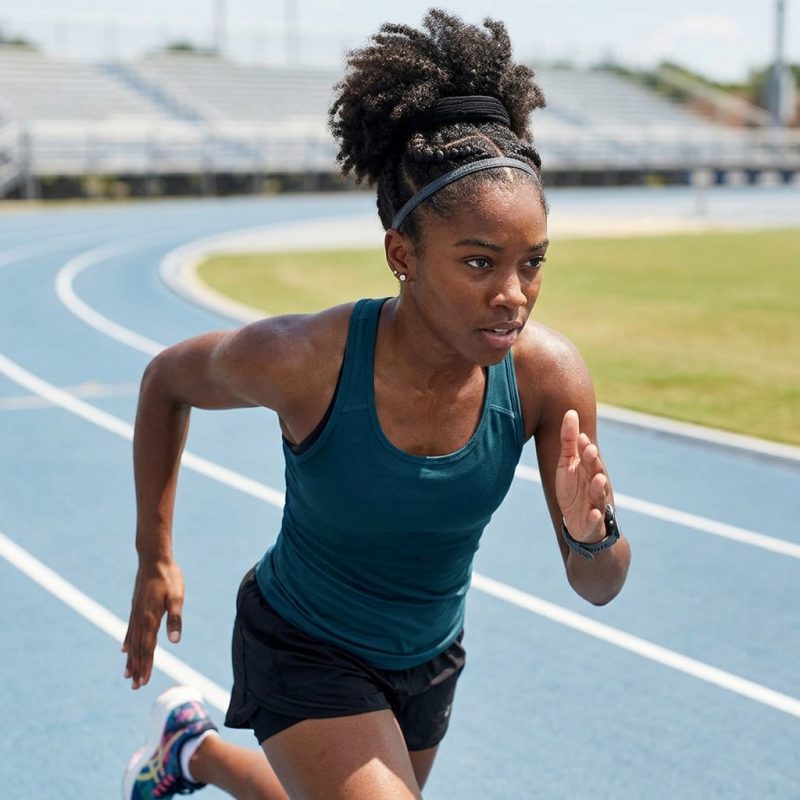
- Protective sports styling is critical — repeated mechanical stress during training can cause significant breakage
- Satin or silk-lined headbands and ties dramatically reduce friction and preserve curl pattern
- Pineapple ponytail — gathering curls loosely at the very top of the head — is one of the most protective and functional natural hair sports styles
- Braid-outs and twist-outs make excellent next-day sports styling bases — the texture gives braids and buns more grip
Short Hair
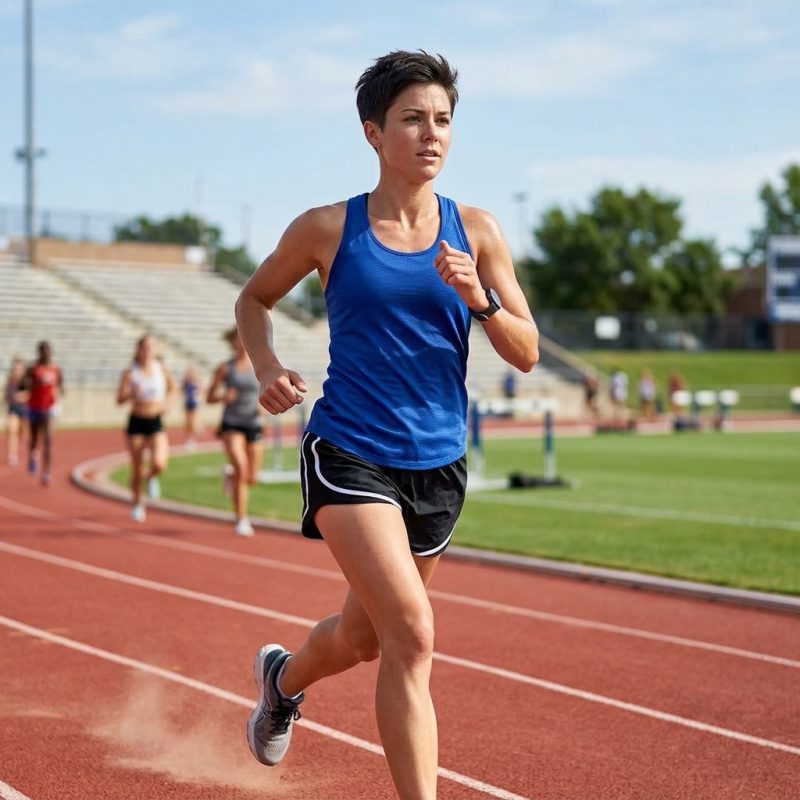
- Sports headbands do the majority of the work for short hair — they keep everything off the face without requiring length to tie
- Bobby pins at the hairline secure any pieces that escape the headband
- A wide, non-slip headband is the single most useful accessory for short-haired athletes
- For very short hair, a simple headband is the most efficient and appropriate sports hairstyle
Essential Sports Hair Products and Accessories
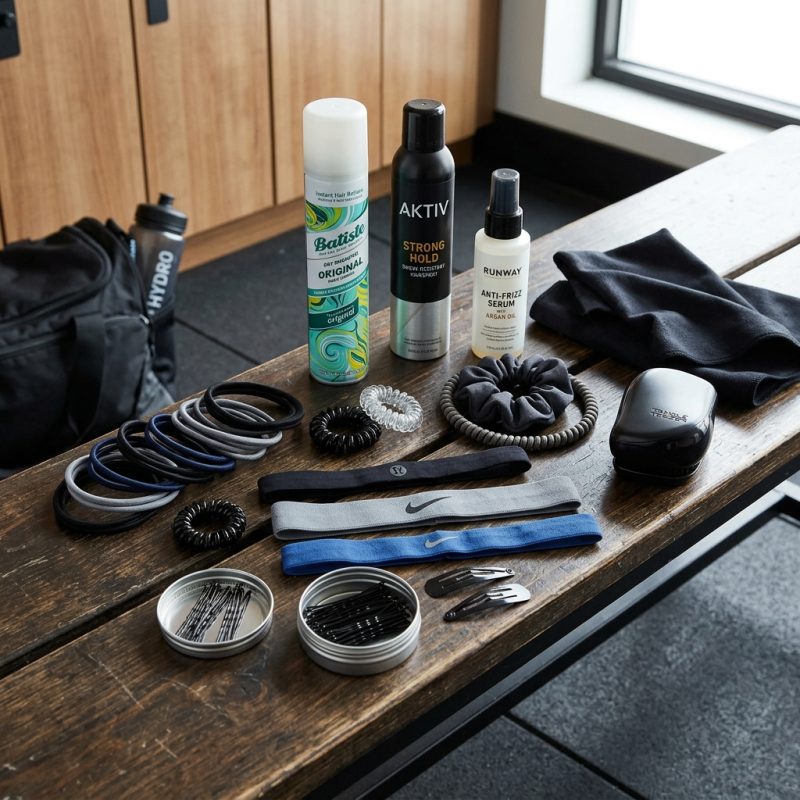
The right tools make every sports hairstyle work harder and last longer.
Must-Have Products
- Texturizing or grip spray — applied before styling to add hold to slippery hair
- Strong-hold gel or edge control — for smoothing the hairline and controlling edges under headbands
- Dry shampoo — absorbs sweat and oil during training and extends your post-workout style
- Leave-in conditioner — protects hair from the mechanical stress of athletic styling when applied before training
- Anti-humidity spray — prevents frizz and flyaways in outdoor and high-sweat training environments
Must-Have Accessories
- No-crease coated hair elastics — cause significantly less breakage than standard elastics
- Bobby pins in your hair color — for invisible but powerful pinning
- Sports headbands (wide, non-slip silicone-lined) — essential for managing hairlines during all activities
- Bun nets or rings — provide internal structure to bun styles for maximum security
- Satin or silk-lined hair accessories — reduce friction and protect natural hair during training
Post-Workout Hair Care: Protecting Your Hair After Training
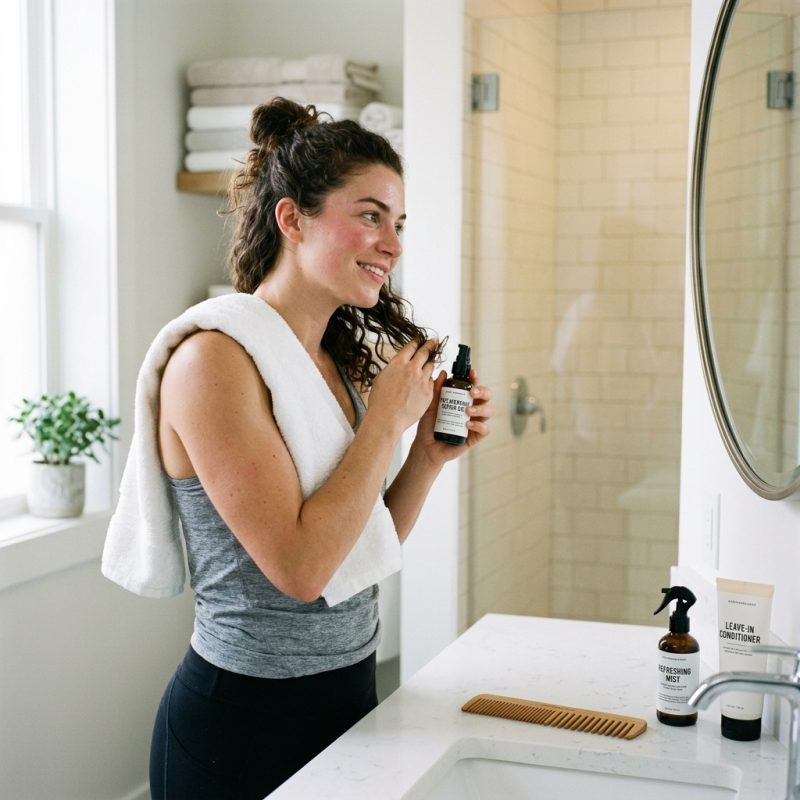
A great sports hairstyle doesn’t end when the workout does. Post-workout care is essential for long-term hair health.
- Remove ties and pins immediately after training — leaving tight styles in after the workout increases stress on the hair shaft unnecessarily
- Detangle gently while hair is still damp using a wide-tooth comb and a leave-in conditioner
- Avoid washing with hot water — warm or cool water closes the cuticle and reduces frizz and breakage
- Air dry when possible — heat styling immediately after workout stress compounds damage
- Scalp massage after removing tight styles improves circulation and relieves tension at the follicle
- Deep condition weekly if you train frequently — repeated sweat, manipulation, and styling requires regular moisture replenishment
Conclusion:
Here’s everything you need to take into your next training session: the best sports hairstyle is the one that stays secure through your specific activity, keeps your face completely clear, distributes tension without damaging your hairline, and works with your natural hair type rather than fighting it.