
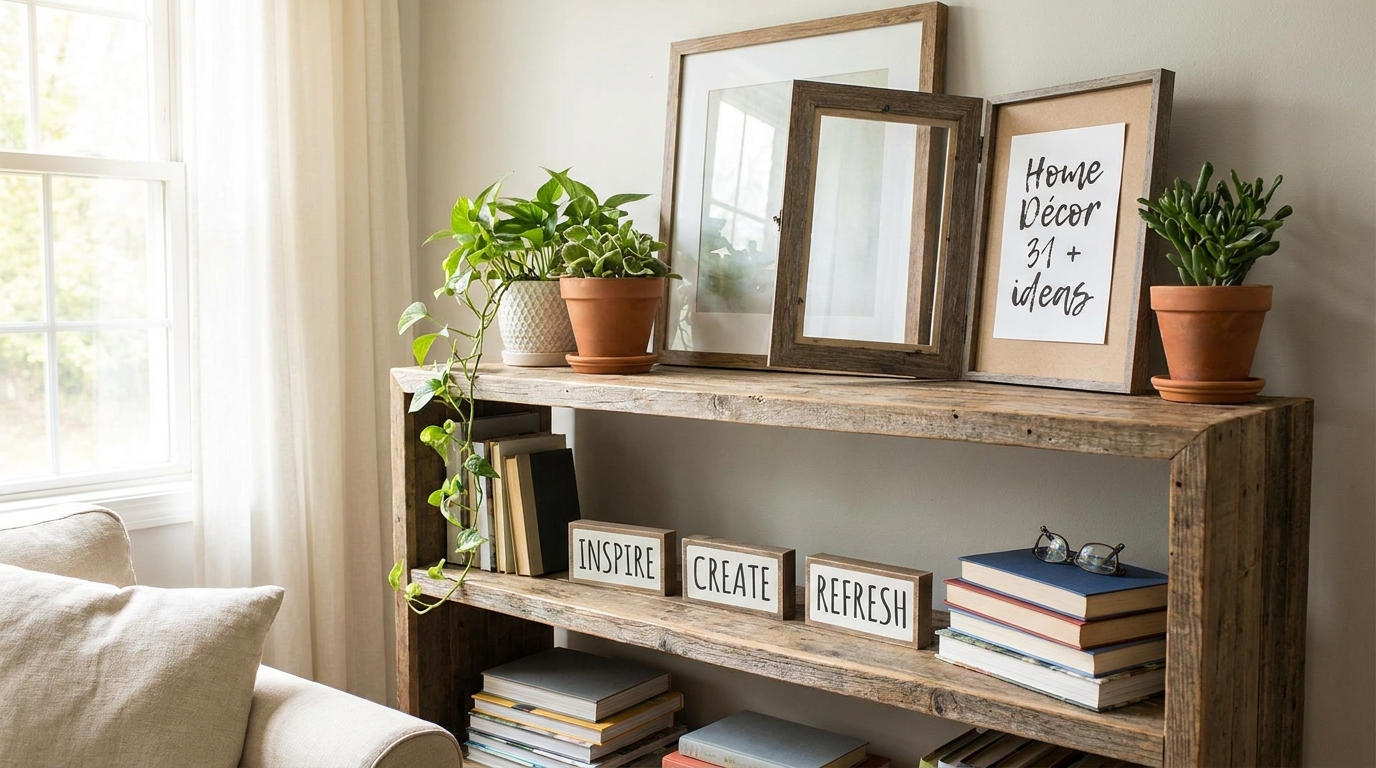
Have you ever walked into someone’s home and just felt it — that instant sense of “I never want to leave this room”? That feeling isn’t an accident. Home Décor It’s not about how much money was spent or how trendy the furniture is. It’s about intentional home décor — the kind that reflects who actually lives there and makes every corner feel considered. Home Décor
I used to think good home decor required a massive budget and a degree in interior design. Then I moved into my first apartment with a shoestring budget, a few thrifted finds, and way too many opinions from home decor accounts I followed obsessively. What I learned through years of trial, error, and a few genuinely questionable paint color choices is that great home decor is about principles, not price tags. This guide hands you everything I wish I’d known from day one — so you can skip the expensive mistakes and go straight to the good stuff. Home Décor
Why Home Decor Matters More Than You Might Think
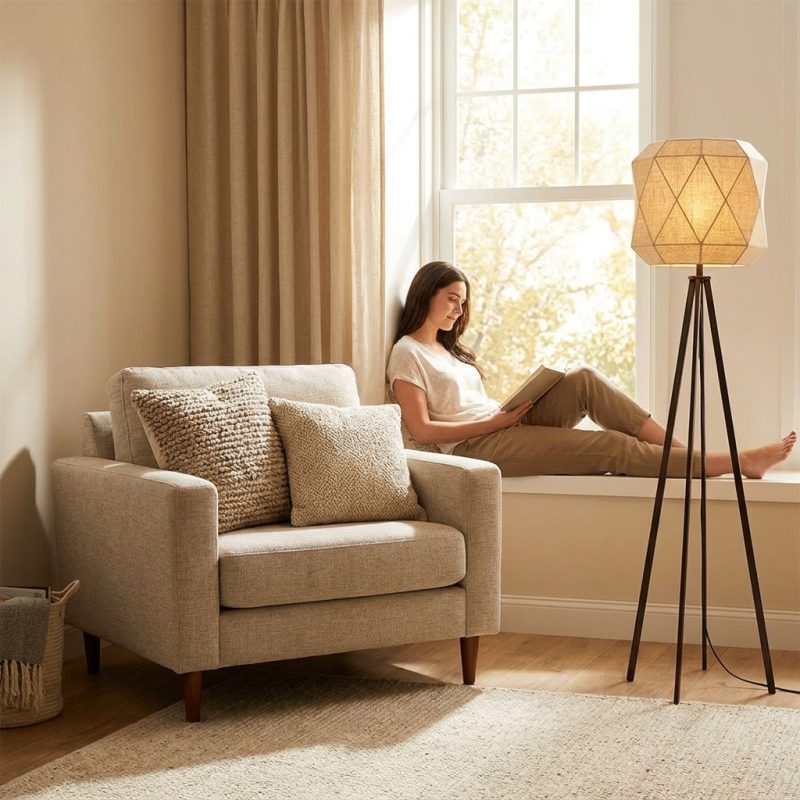
Before we dive into specific tips and trends, let’s talk about why this actually matters beyond pure aesthetics. Your home environment genuinely affects your daily life in ways that are easy to underestimate.
Research consistently shows that our physical surroundings influence mood, stress levels, and even productivity. A cluttered, disorganized space can quietly contribute to anxiety, while a thoughtfully decorated home creates a sense of calm and control. Beyond the psychological benefits, your home decor is also a form of self-expression — it tells a story about your personality, your travels, your values, and what brings you joy, often without a single word being spoken.
Think about it this way: you spend an enormous portion of your life inside your own home. Doesn’t it make sense to invest some genuine thought into making that space work for you rather than just existing around you?
Finding Your Personal Decor Style
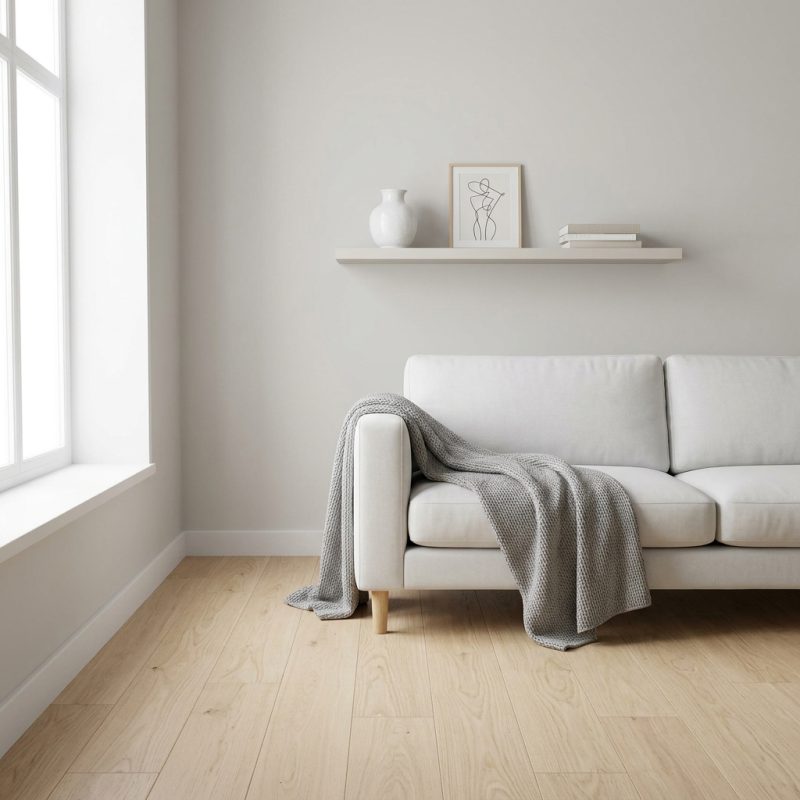
Before buying a single item, the most important step is understanding what aesthetic genuinely resonates with you — not what’s trending on social media, but what actually feels like you.
The Major Home Decor Styles
- Minimalist — clean lines, neutral palettes, “less is more” philosophy with carefully chosen statement pieces
- Bohemian (Boho) — layered textiles, plants, warm earthy tones, and an eclectic mix of global-inspired patterns
- Scandinavian (Scandi) — light woods, soft neutrals, functional furniture, and an emphasis on natural light
- Industrial — exposed brick, metal accents, raw materials, and a slightly edgy, urban-loft aesthetic
- Traditional — classic furniture silhouettes, rich wood tones, symmetry, and timeless elegance
- Coastal/Cottagecore — light blues and whites, natural textures like rattan and linen, a relaxed seaside feel
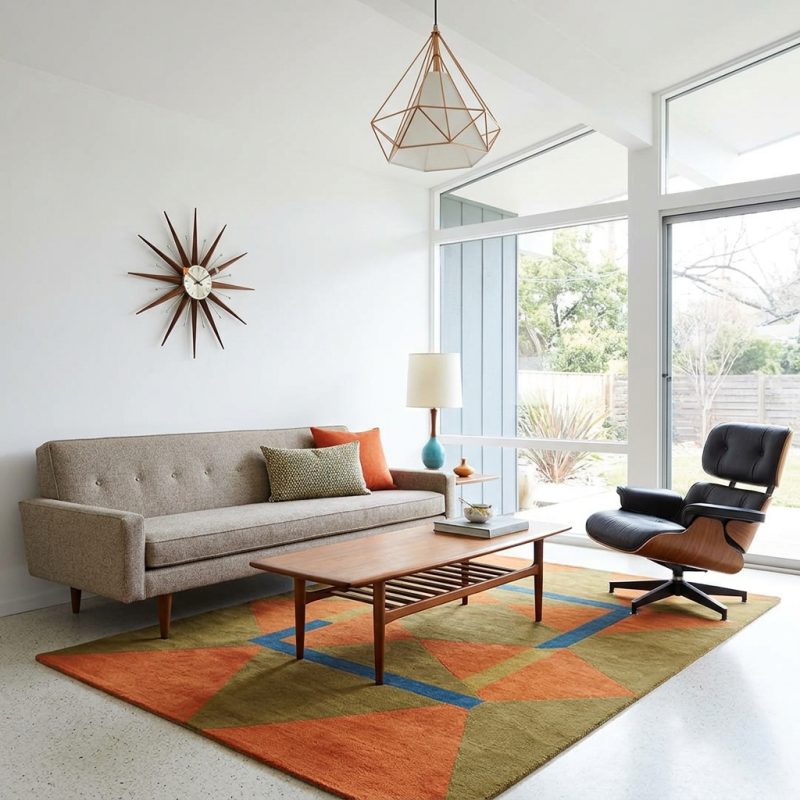
- Mid-Century Modern — clean geometric lines, tapered wood legs, bold accent colors, and retro-inspired silhouettes
- Maximalist — bold colors, layered patterns, abundant collections, and a “more is more” celebration of personality
How to Identify Your Style

- Create a mood board — save images that genuinely excite you, without overthinking categories
- Look for patterns — after collecting 20-30 images, common threads in color, texture, and shape will emerge
- Consider your lifestyle — a minimalist aesthetic might clash with a maximalist personality, and vice versa
- Walk through your current favorite spaces — coffee shops, hotels, friends’ homes — and note what draws you in
- Don’t commit to just one label — most beautifully decorated homes blend two or three styles rather than following one rigidly
The Foundational Principles of Great Home Decor
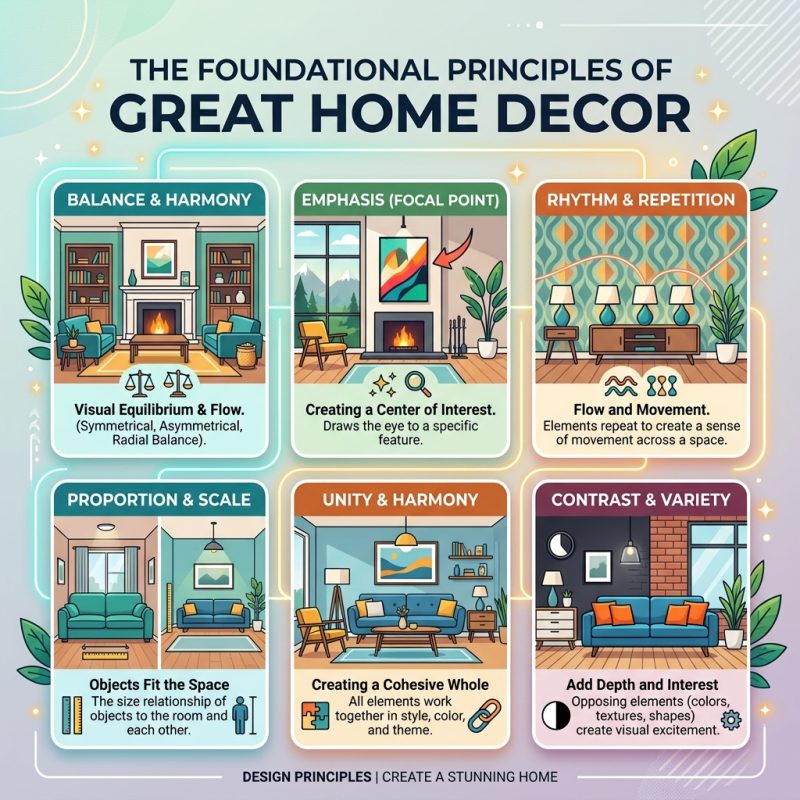
Regardless of which aesthetic you choose, certain principles separate spaces that feel intentional from those that feel randomly assembled.
1: Layering Creates Depth
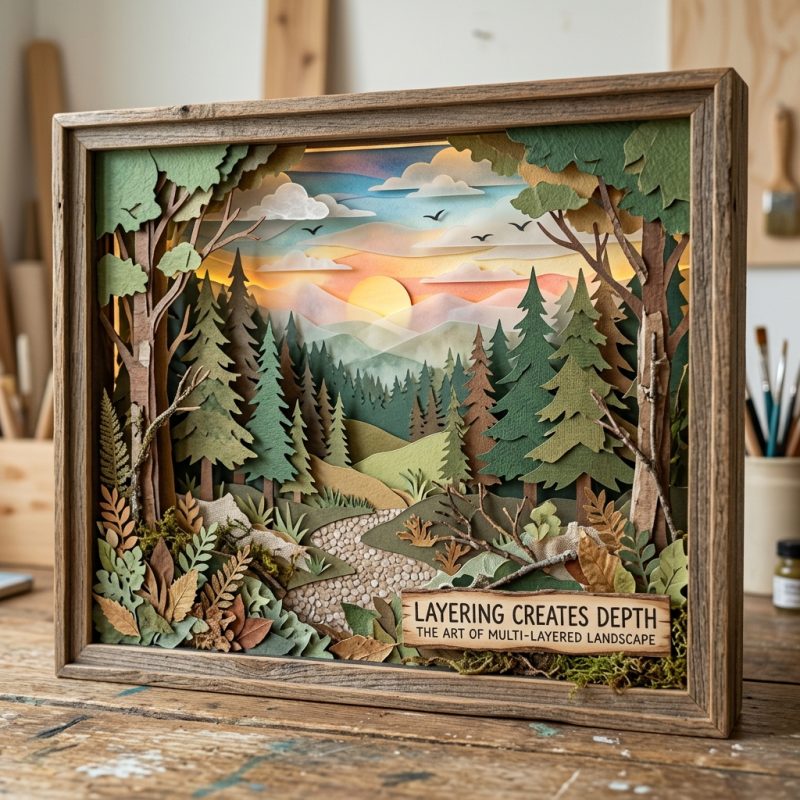
- Combine multiple textures — a smooth leather sofa paired with a chunky knit throw and a woven rug creates visual richness
- Vary your lighting sources — overhead lighting alone flattens a room; add table lamps, floor lamps, and candles for warmth
- Mix old and new — a single vintage or antique piece grounds a room full of newer furniture beautifully
- Avoid matching everything from a single set — intentional variation looks curated, not chaotic
2: Scale and Proportion Matter
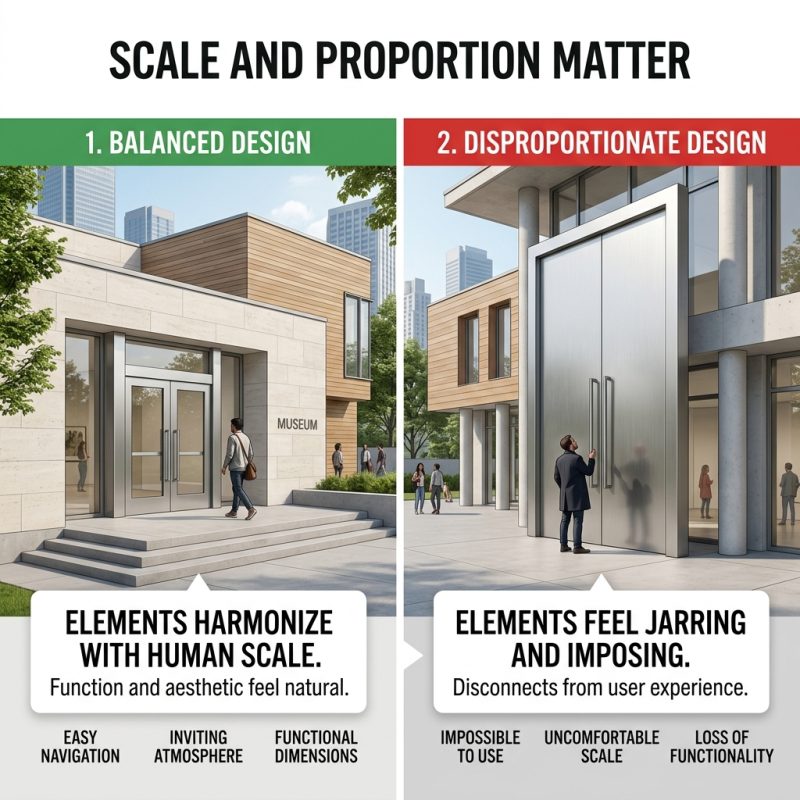
- Oversized furniture in small rooms overwhelms the space; undersized furniture in large rooms looks lost
- Vary the height of your decor objects — a room where everything sits at the same height feels visually flat
- Leave breathing room — not every wall needs art, and not every surface needs an object
- A general rule: artwork should be roughly two-thirds the width of the furniture it hangs above
3: Color Creates Cohesion
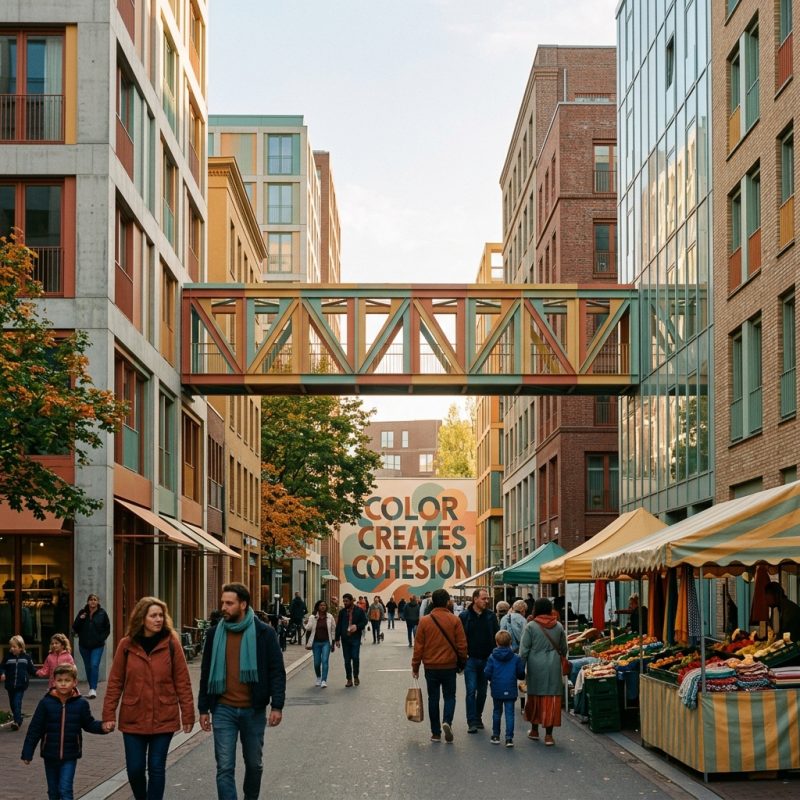
- Choose a base palette of two to three core colors and build your decor around it
- The 60-30-10 rule is a classic interior design formula — 60% dominant color, 30% secondary color, 10% accent color
- Neutral bases with bold accents offer flexibility — you can swap pillows or art without redoing the whole room
- Warm and cool tones shouldn’t be randomly mixed — pick a temperature direction and stay mostly consistent
FYI — if you’re ever stuck on color decisions, nature is the best cheat code. Look at a flower, a sunset, or a forest floor — these naturally occurring color combinations almost always translate beautifully into interiors. 😍
4: Function Should Never Be an Afterthought

- Decorate around how you actually live, not how you imagine an idealized version of yourself living
- Traffic flow matters — furniture placement should never obstruct natural movement through a room
- Storage is decor too — beautiful baskets, stylish shelving, and well-designed organizers reduce clutter while adding visual interest
- A gorgeous room that doesn’t function for daily life will be abandoned within months
Room-by-Room Home Decor Tips
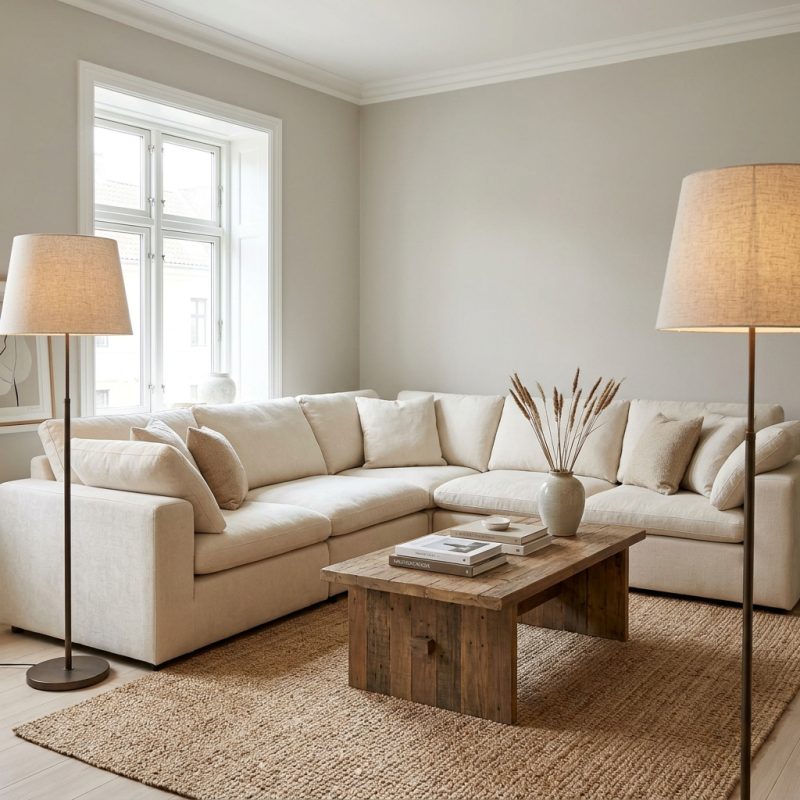
Every room has its own decorating considerations. Here’s how to approach the spaces that matter most.
Living Room
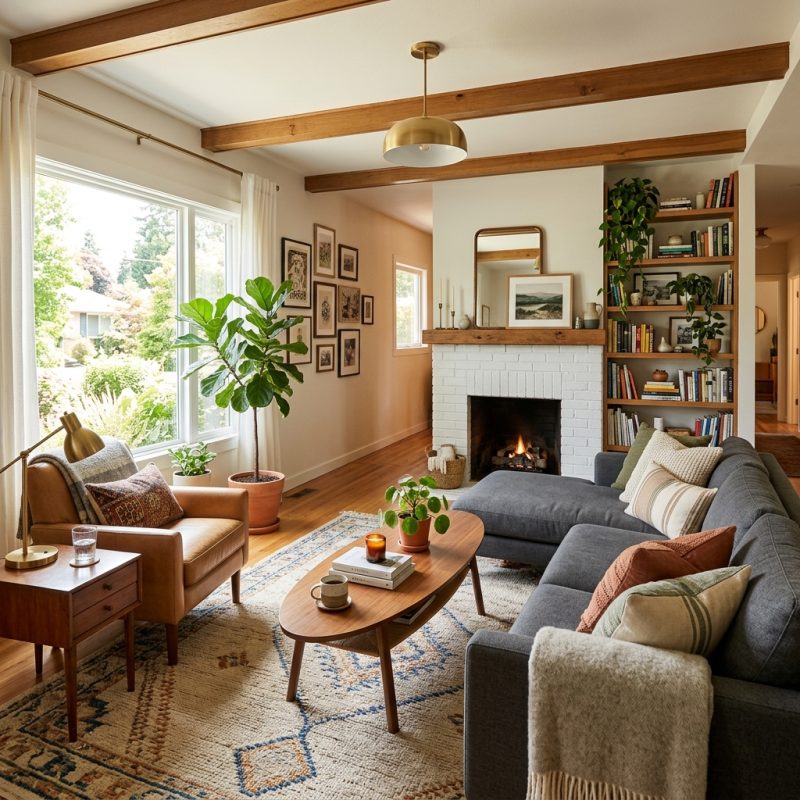
The living room is typically the most-used shared space in a home, which means it needs to balance style with serious functionality.
- Anchor the room with a statement rug — it defines the seating area and ties furniture together visually
- Create conversation-friendly furniture arrangements — facing seating encourages connection over staring at a screen
- Layer lighting with at least three sources: overhead, table lamp, and accent lighting
- A coffee table with personality — tray styling with books, a candle, and a small plant elevates the entire room instantly
Bedroom
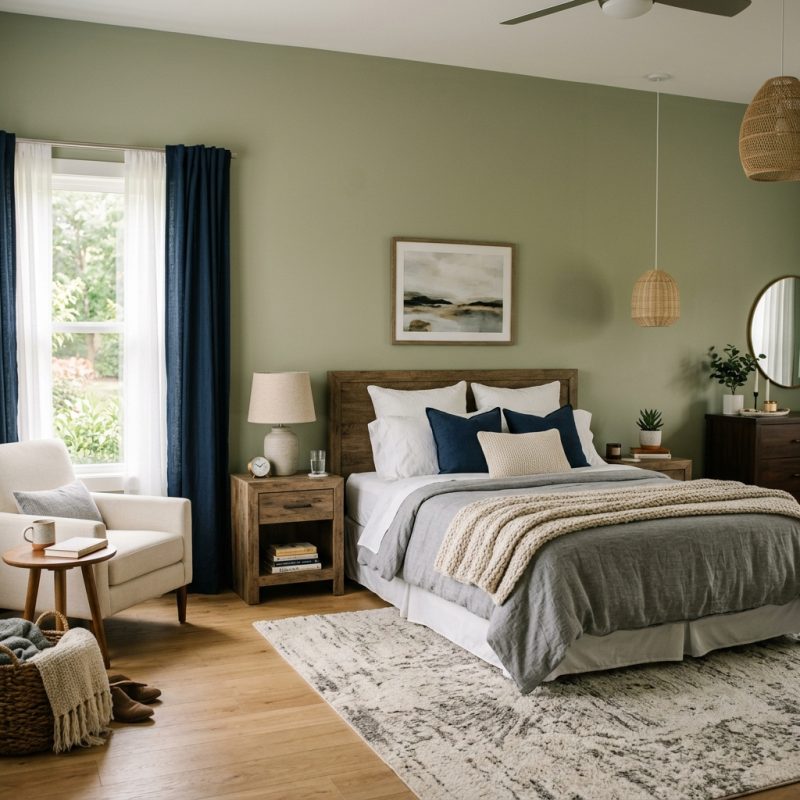
Your bedroom should prioritize rest and calm above all other decorating considerations.
- Invest in quality bedding — it’s the single highest-impact, most-touched element in the entire room
- Keep nightstands functional but curated — a lamp, a small stack of books, minimal clutter
- Layer textiles — a duvet, a throw blanket, and decorative pillows add warmth without overwhelming
- Blackout curtains or quality window treatments improve both sleep quality and the room’s finished appearance
Kitchen
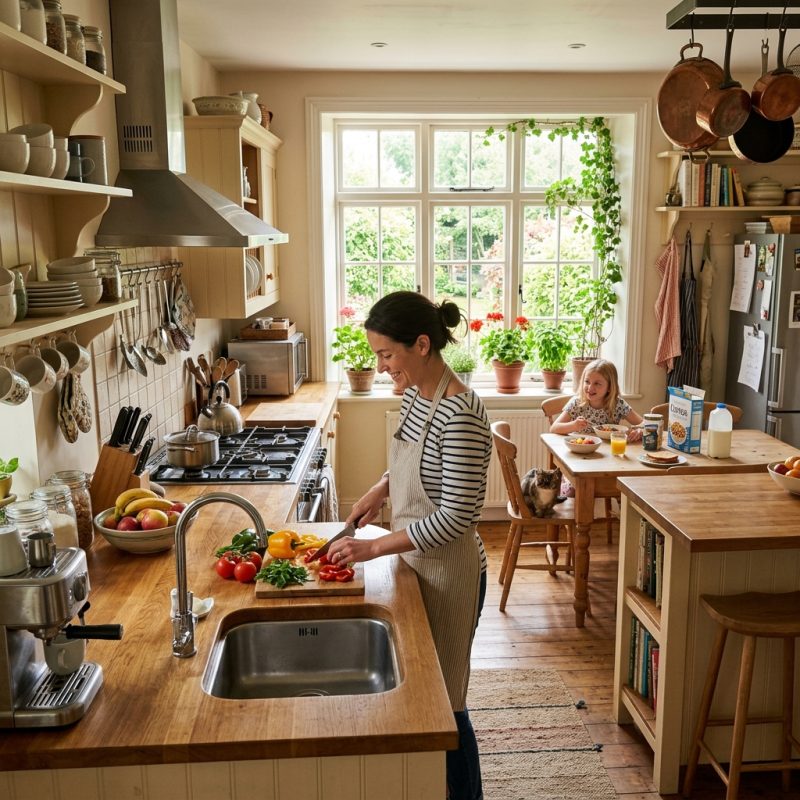
The kitchen blends function and decor more than almost any other room — every decorative choice needs to coexist with daily use.
- Open shelving displays beautiful dishware while keeping everyday items accessible
- A statement light fixture over an island or table instantly elevates the entire space
- Greenery on the counter — fresh herbs or a small potted plant — adds life and color affordably
- Coordinate hardware finishes — cabinet pulls, faucet, and light fixtures in a consistent metal tone create cohesion
Bathroom
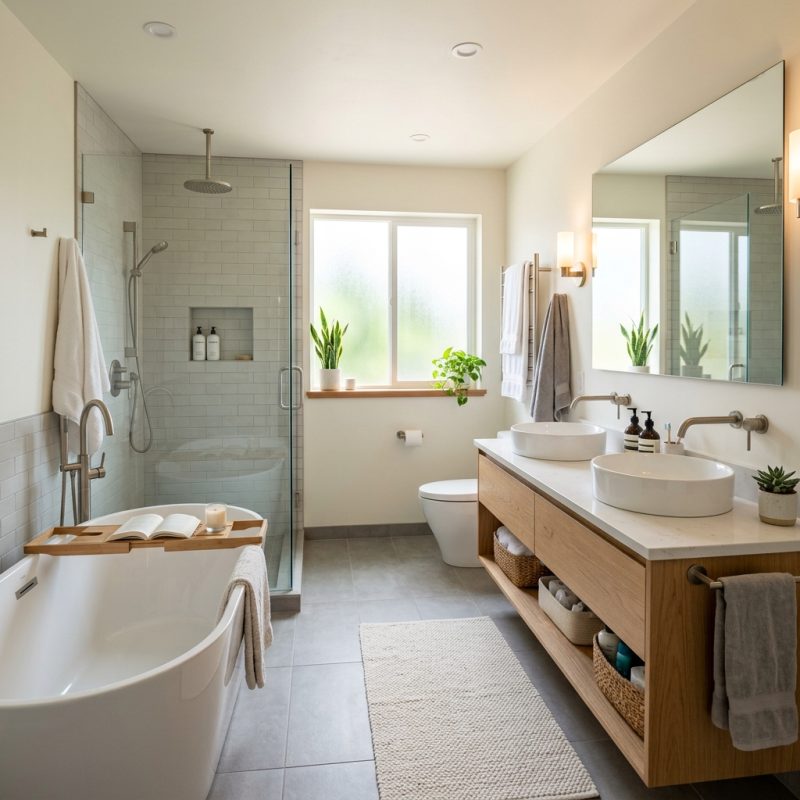
Small space, big impact potential — bathrooms are some of the most rewarding rooms to decorate intentionally.
- Fluffy, matching towels in a cohesive color instantly elevate the space’s perceived luxury
- A statement mirror functions as both decor and a practical necessity
- Add a plant that tolerates humidity — pothos and ferns thrive in bathroom environments
- Swap basic accessories — soap dispensers, trays, and tissue boxes — for ones that match your aesthetic
Entryway
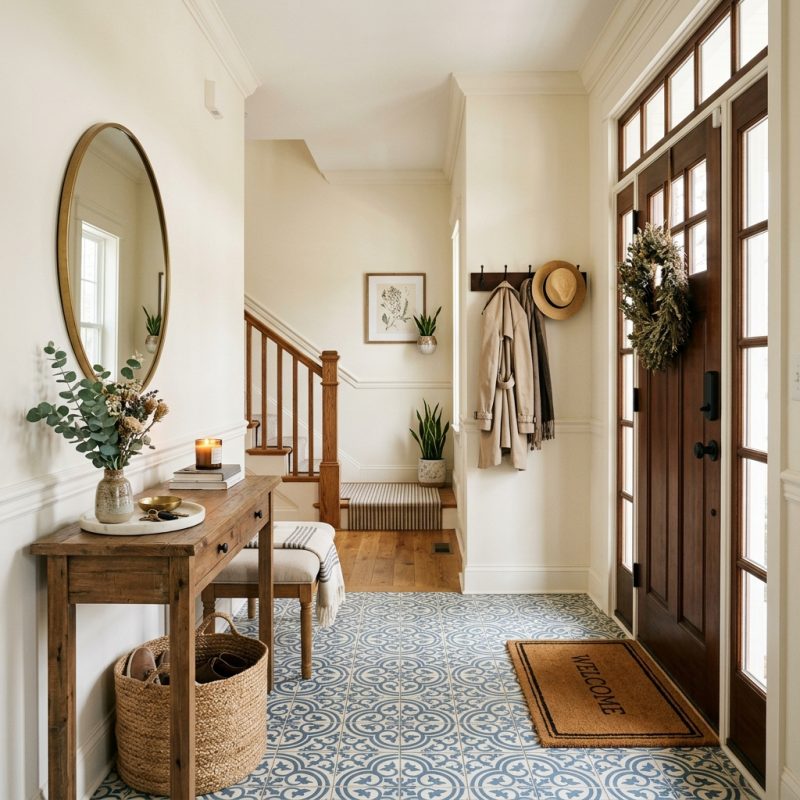
The entryway sets the tone for your entire home — it’s the first and last impression every time someone enters or leaves.
- A console table or bench creates a functional landing spot for keys, bags, and shoes
- A large mirror makes the space feel bigger and serves a genuinely practical purpose
- Hooks or a coat rack keep outerwear organized rather than draped over furniture elsewhere
- A welcoming rug adds warmth and defines the space, even in a narrow hallway entry
Decorating on a Budget: Maximum Impact, Minimum Spend
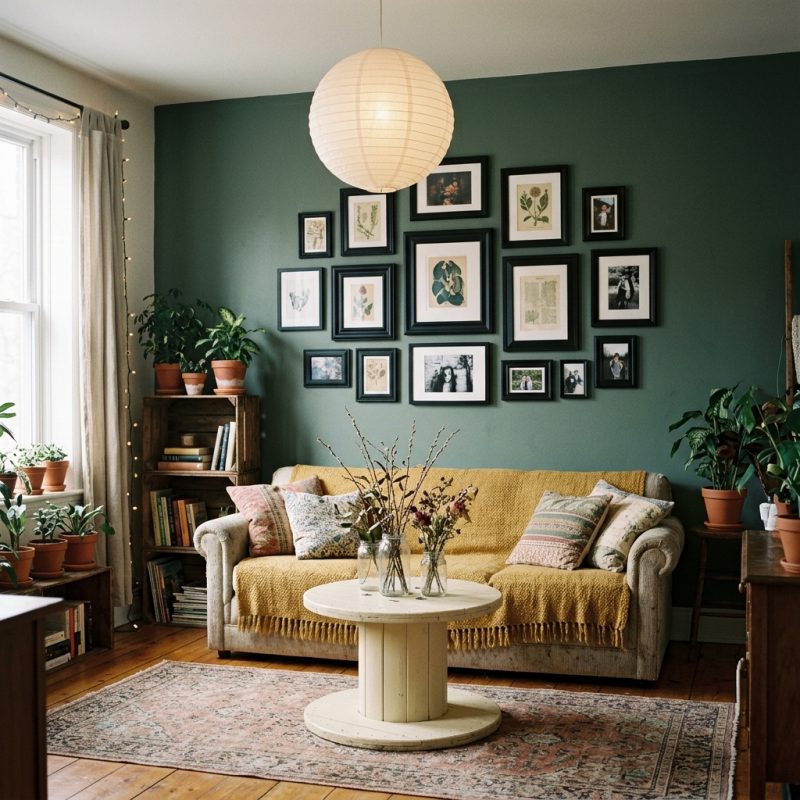
Great home decor doesn’t require a massive budget. Here’s how to make a genuine difference without overspending.
High-Impact, Low-Cost Changes
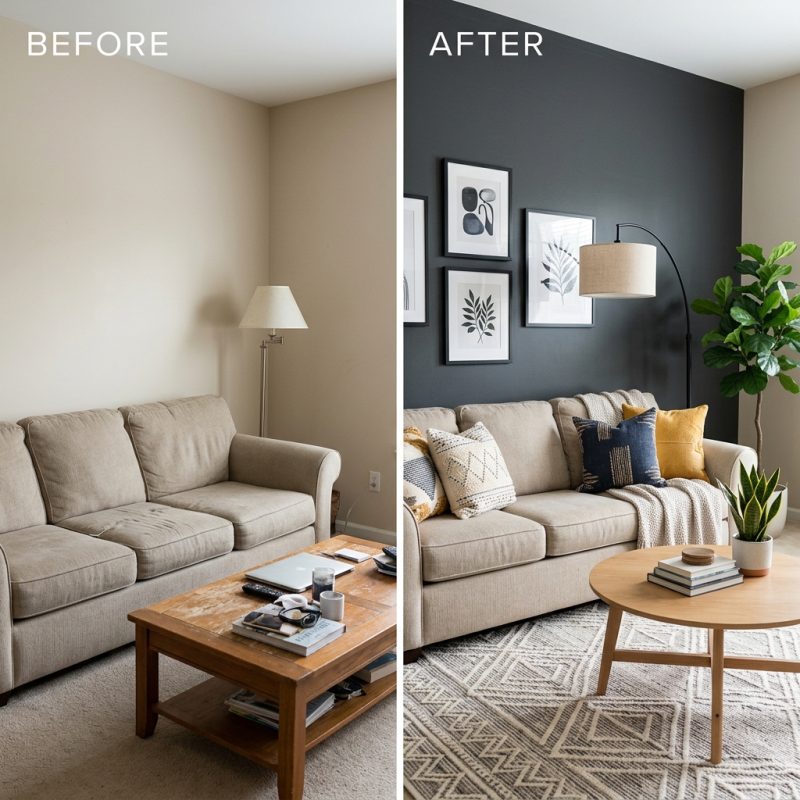
- Paint — the single highest return-on-investment decor change available; a fresh coat transforms a room entirely
- Rearrange existing furniture — sometimes the layout you have isn’t working, and it costs nothing to test alternatives
- Swap hardware — cabinet pulls, drawer handles, and light switch plates are inexpensive and visually impactful
- Add plants — even faux greenery instantly adds life and softens hard edges throughout a room
- Update lighting — swapping a dated overhead fixture is often more affordable than people assume and dramatically changes a room’s feel
Where to Find Budget-Friendly Decor
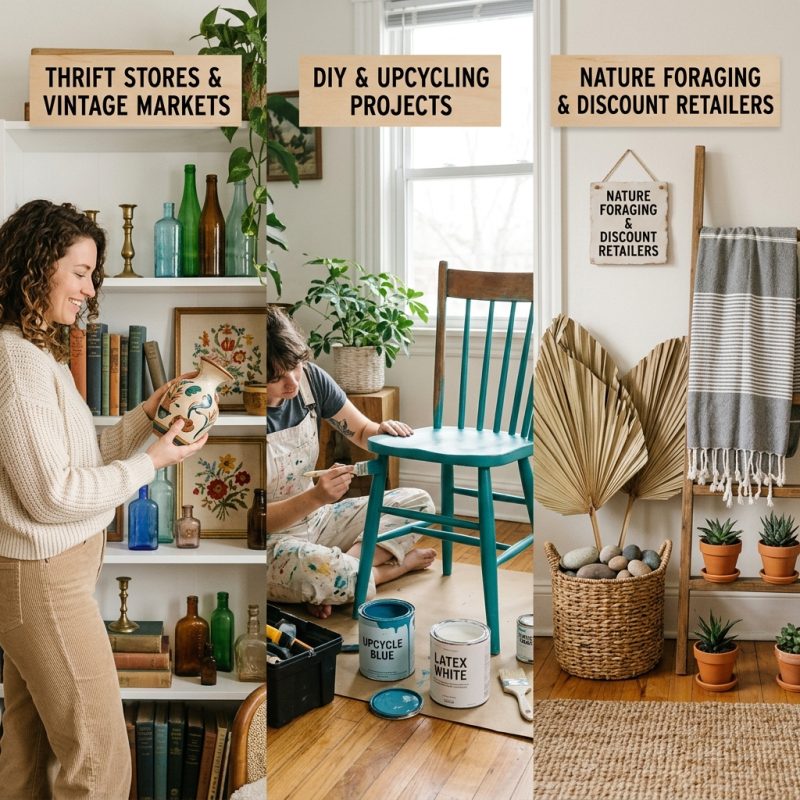
- Thrift stores and estate sales — genuine vintage finds at a fraction of retail prices
- Facebook Marketplace and local buy-nothing groups — furniture and decor, often free or nearly free
- End-of-season sales — major retailers discount decor heavily at seasonal transitions
- DIY projects — reupholstering, refinishing, and repainting existing furniture extends its life and updates its look
IMO, the biggest budget mistake people make is buying everything new at once. A home decorated over time, piece by piece, with intention behind each addition, almost always looks more sophisticated than a room furnished in a single weekend shopping spree.
Current Home Decor Trends Worth Knowing
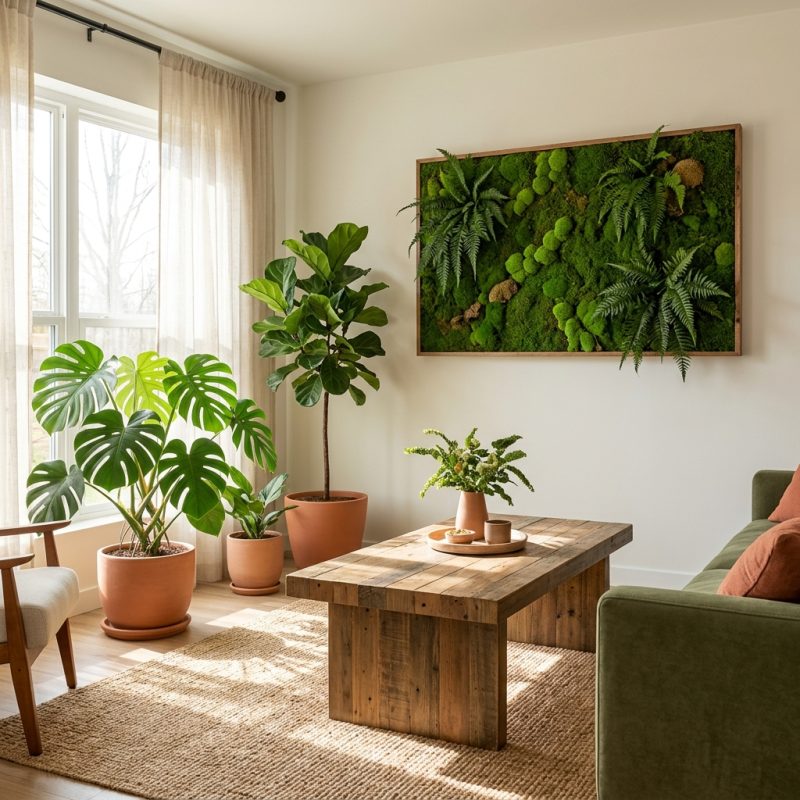
While timeless principles matter most, staying aware of current trends helps keep your space feeling fresh and current.
- Warm minimalism — clean lines softened with warm wood tones and organic textures, moving away from stark, cold minimalism
- Curvy furniture — rounded sofas, arched mirrors, and organic shapes replacing harsh, angular silhouettes
- Statement ceilings — painted or wallpapered ceilings adding an unexpected fifth wall of visual interest
- Vintage and antique mixing — incorporating genuinely old pieces rather than mass-produced “vintage-inspired” reproductions
- Sustainable and natural materials — rattan, jute, organic cotton, and reclaimed wood gaining popularity over synthetic alternatives
- Personal collections on display — books, art, travel finds — celebrated openly rather than hidden away
Common Home Decor Mistakes to Avoid
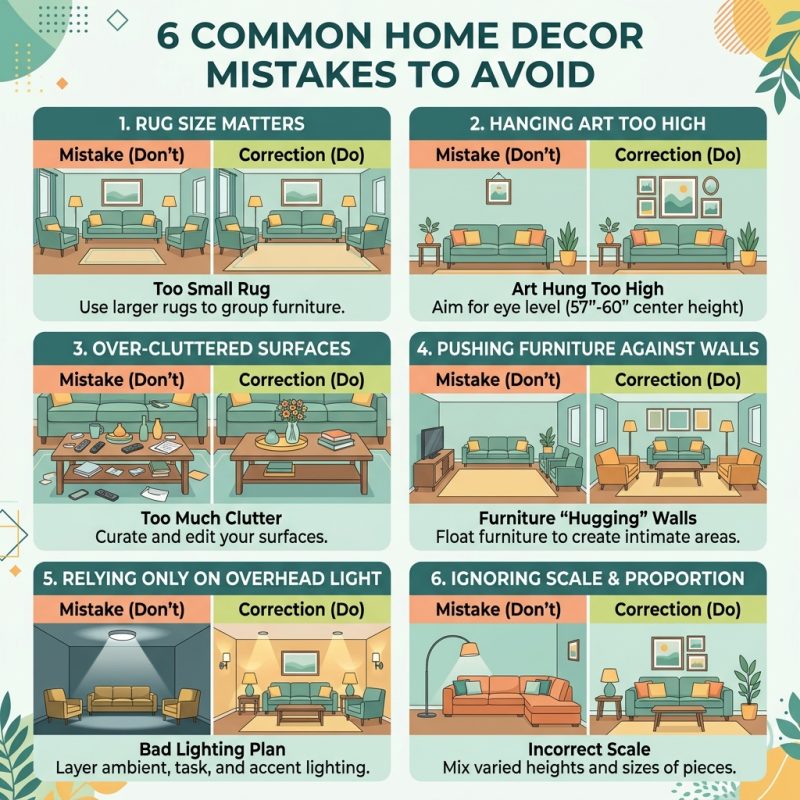
A few consistent missteps undermine even well-intentioned decorating efforts.
- Pushing all furniture against the walls — floating furniture slightly away from walls often creates better flow and a more intentional layout
- Ignoring scale — measuring your space before buying furniture prevents the disappointment of pieces that don’t fit
- Matching everything too perfectly — a showroom-matched set can feel impersonal; intentional mixing feels lived-in and curated
- Forgetting window treatments — bare windows leave a room feeling unfinished regardless of how well everything else is styled
- Decorating walls only at eye level — varying art and shelf heights creates a more dynamic, gallery-like visual experience
Conclusion:
Here’s everything that matters most: home decor isn’t about following every trend or spending beyond your means — it’s about creating intentional spaces that genuinely reflect who you are and support how you actually live. From identifying your personal style to applying foundational design principles, room-by-room strategies, and budget-conscious shopping habits, you now have everything needed to transform your space thoughtfully.