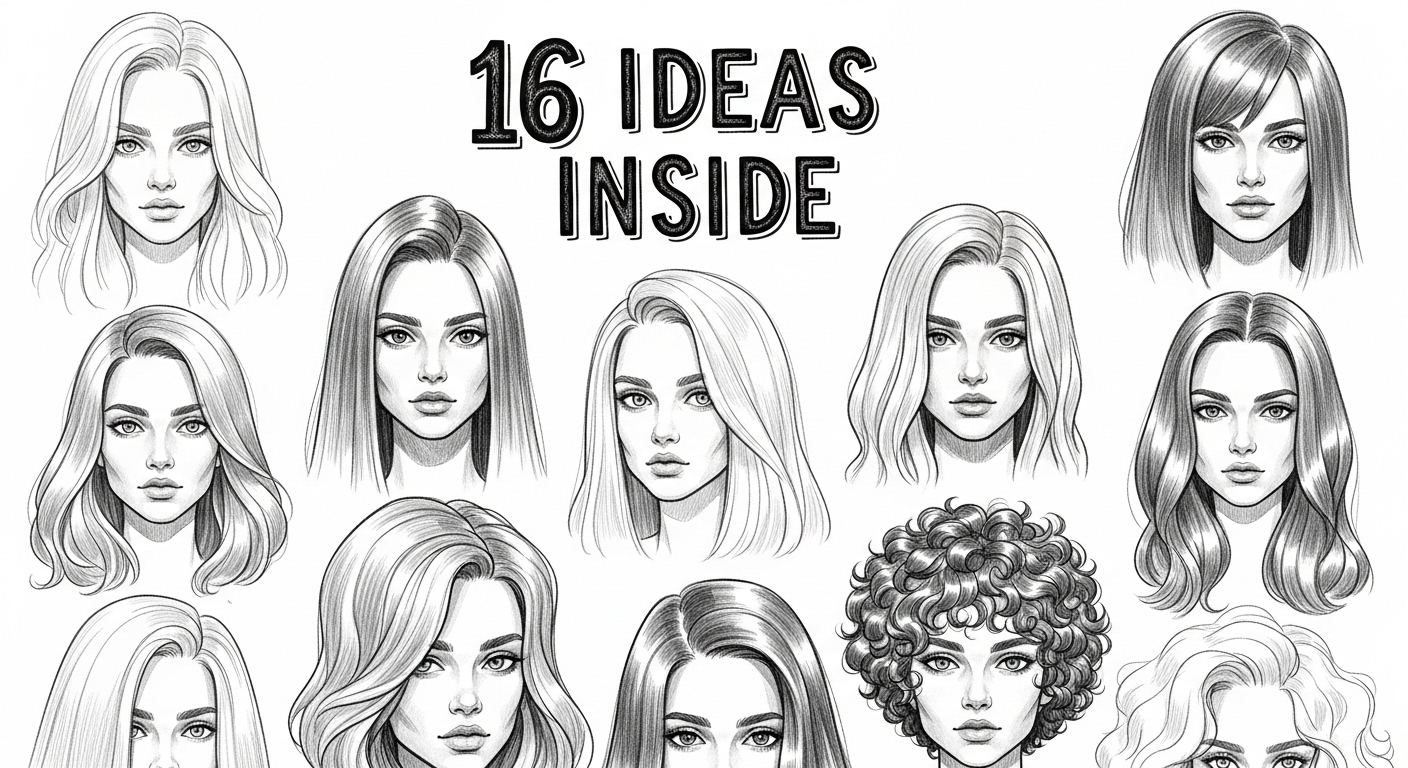
If you’ve ever tried hair drawing, you already know the struggle. Faces feel easy. Eyes are fun. But hair? Hair can turn a great sketch into a confusing mess real quick. I remember staring at my drawing thinking, “Why does this look like spaghetti?” Been there.
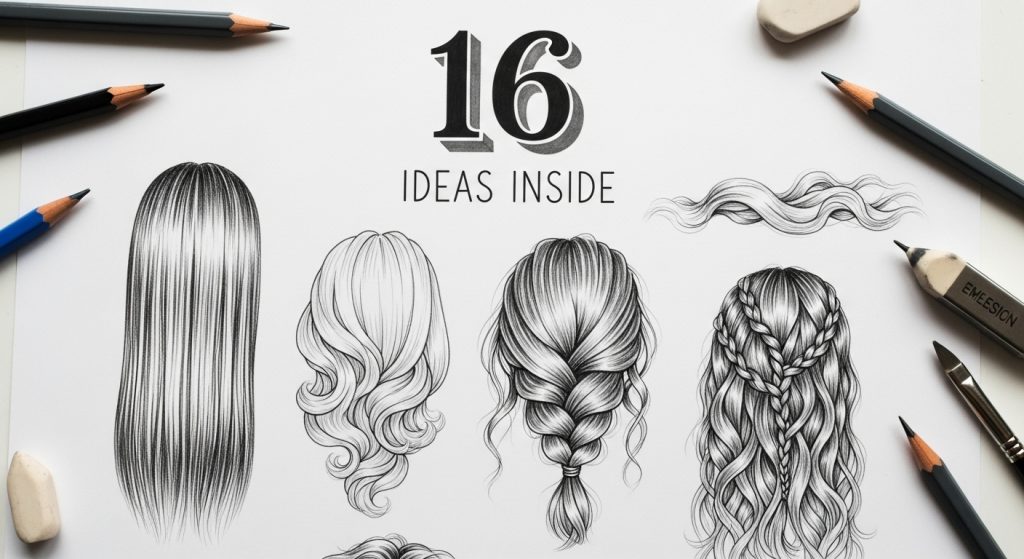
The good news is this: hair drawing is a skill, not magic. Once you understand how hair flows, layers, and shines, everything clicks. So let’s talk like friends and break this down in a way that actually makes sense.
Why Hair Drawing Feels So Difficult (And Why That’s Normal)
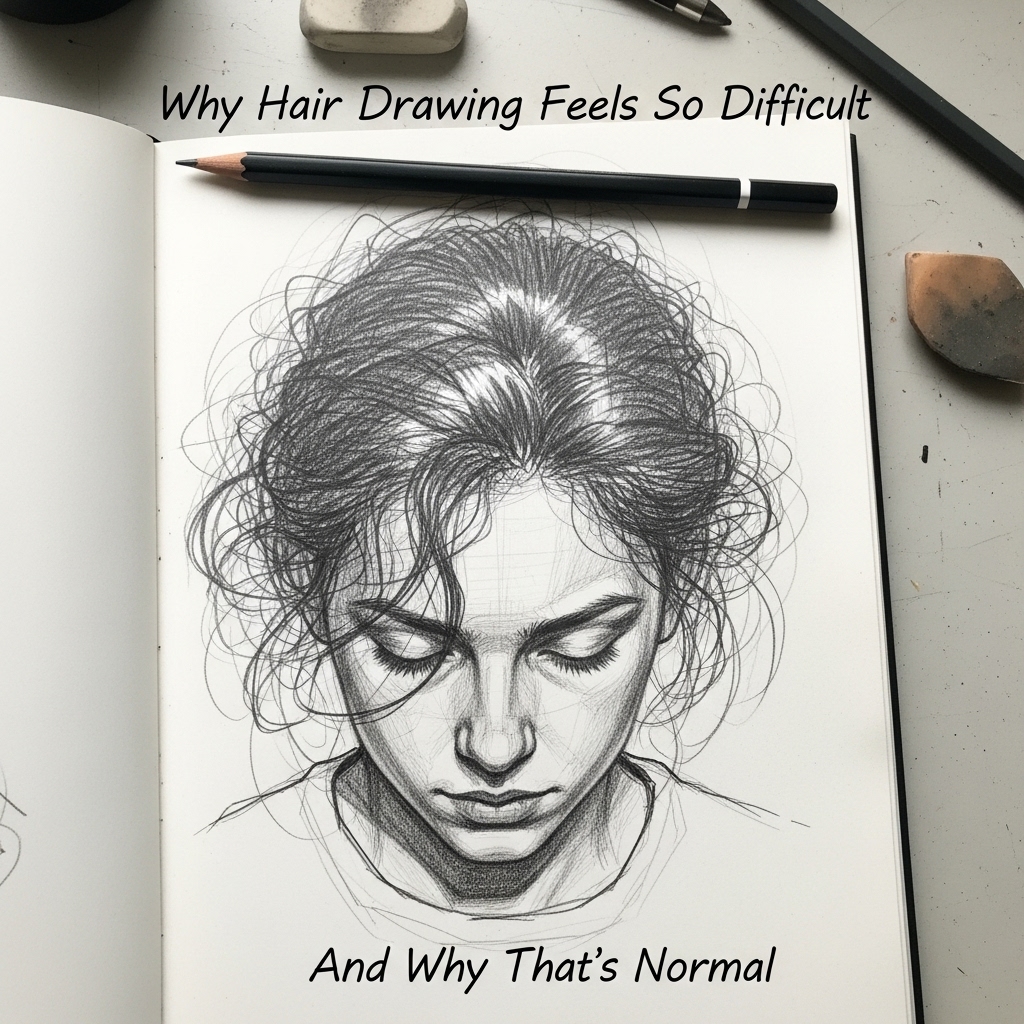
Hair Isn’t One Shape
Hair isn’t a solid object. It’s made of thousands of strands, but drawing every strand is a rookie mistake. IMO, this is where most beginners go wrong.
Instead of strands, think in:
- Big shapes
- Medium sections
- Small details
Once you see hair as grouped forms, it becomes way less scary.
Hair Has Movement and Personality
Hair reacts to gravity, wind, and even mood. Curly hair behaves differently than straight hair. Short hair moves differently than long hair. Asking “how does this hair want to fall?” helps a lot.
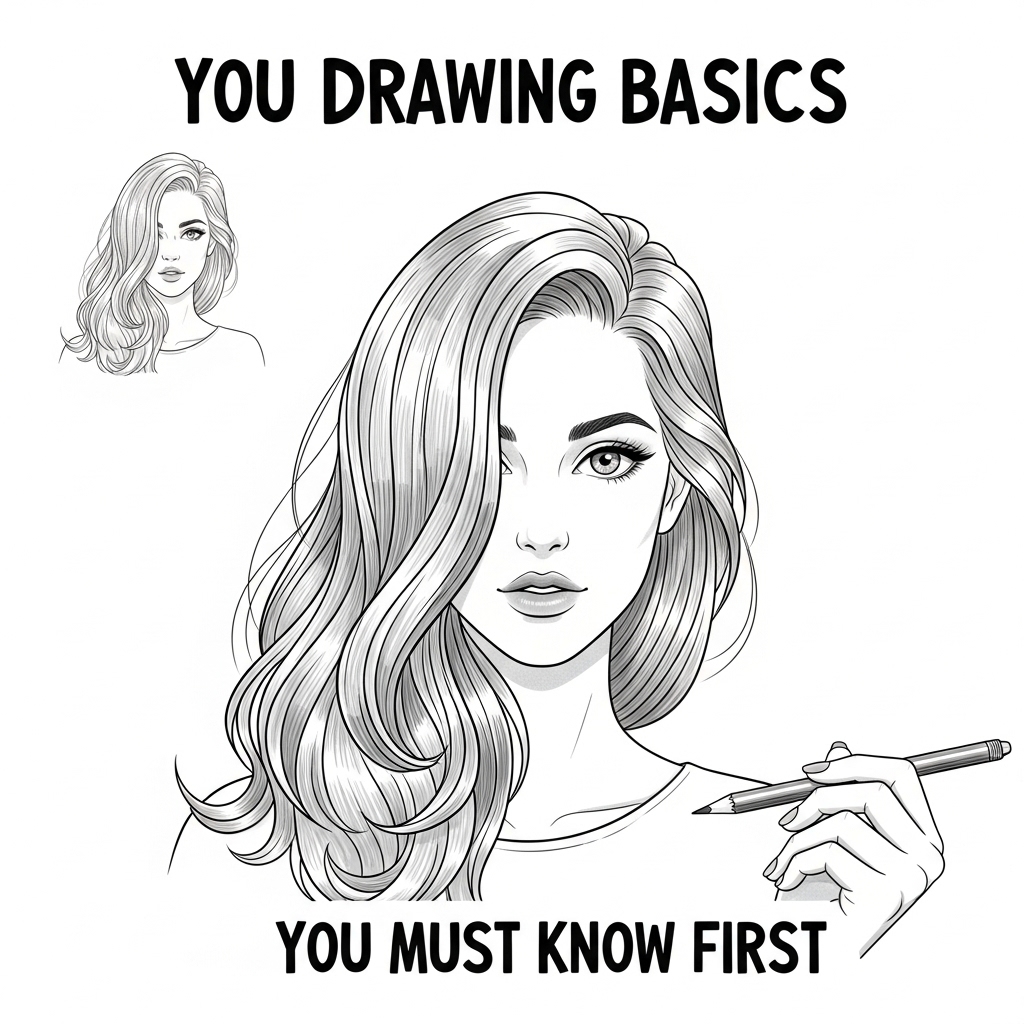
Hair Drawing Basics You Must Know First
Understanding the Hairline
The hairline frames the face. If it’s off, everything feels off.
Quick tips:
- Hairlines are rarely straight
- They follow the skull shape
- Softer lines look more natural
A natural hairline instantly improves your drawing.
The Skull Matters (A Lot)
Hair sits on the skull, not the face. Sounds obvious, but many forget this.
Always:
- Sketch the head shape first
- Add volume on top of the skull
- Avoid flat-looking hair
FYI, most hair volume comes from the crown area.
Step-by-Step Hair Drawing Process (Beginner-Friendly)
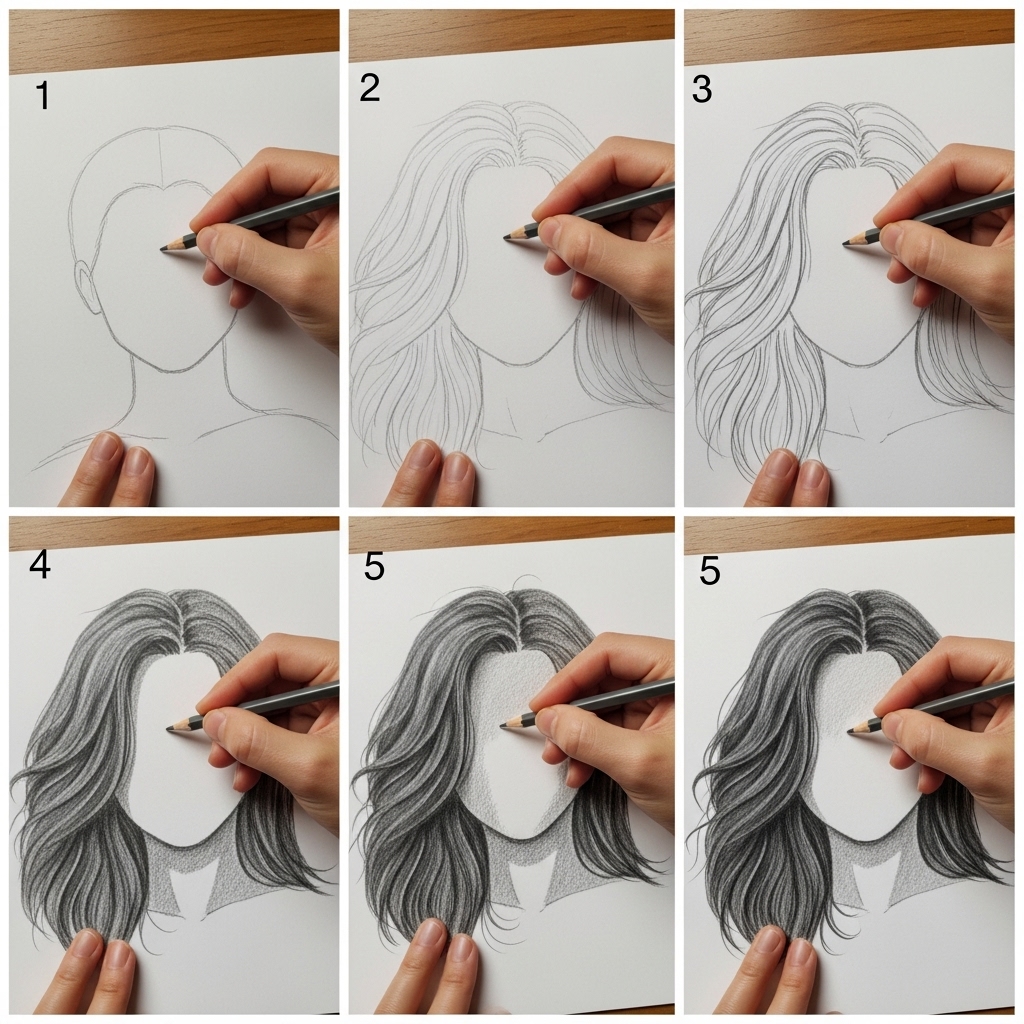
Step 1: Block the Main Shape
Start simple. Draw the overall silhouette of the hair.
Ask yourself:
- Is it short or long?
- Tight or loose?
- Flat or voluminous?
This step sets the foundation.
Step 2: Divide Hair Into Sections
Now split the big shape into sections. These are hair clumps, not strands.
Think:
- Bangs
- Sides
- Back
- Layers
This adds structure fast.
Step 3: Add Flow and Direction
Hair always has direction. Use long, confident strokes to show movement.
Avoid sketchy lines. Hair loves smooth motion.
Drawing Different Hair Types Like a Pro
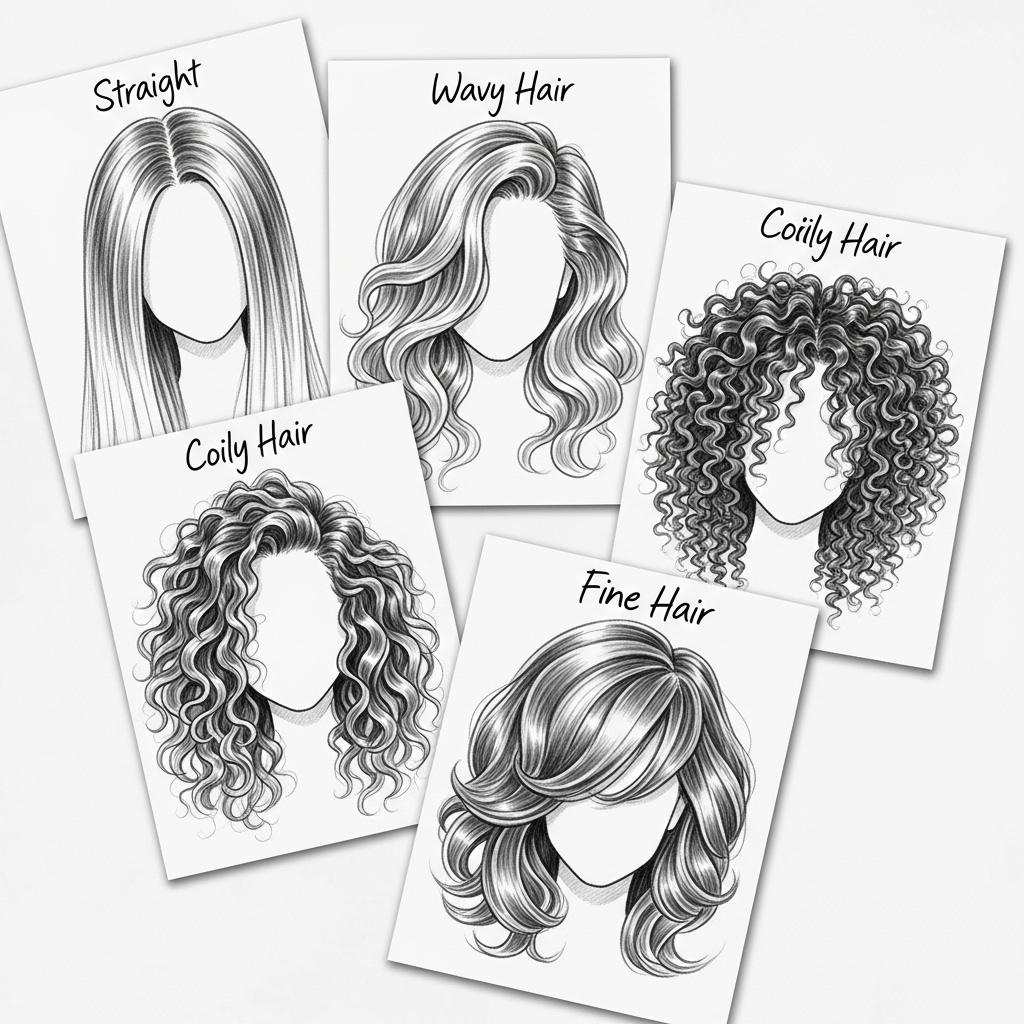
Straight Hair Drawing Tips
Straight hair reflects light clearly and has smooth flow.
Focus on:
- Clean lines
- Subtle curves
- Clear highlights
Too many lines make straight hair look messy.
Wavy Hair Drawing Techniques
Wavy hair sits between straight and curly. It flows in soft “S” shapes.
Best approach:
- Draw gentle waves
- Vary thickness
- Keep it loose
Waves should feel relaxed, not stiff.
Curly Hair Drawing Made Easy
Curly hair scares people, but it’s fun once you get it.
Key ideas:
- Draw curls as shapes, not spirals
- Overlap curls for depth
- Use shadows more than lines
Curly hair loves volume.
Coily and Afro Hair Drawing
This hair type has tight texture and bold shape.
Tips that help:
- Focus on silhouette
- Use texture sparingly
- Build depth with shading
Don’t over-detail. Shape does the heavy lifting.
Hair Texture: The Secret Sauce
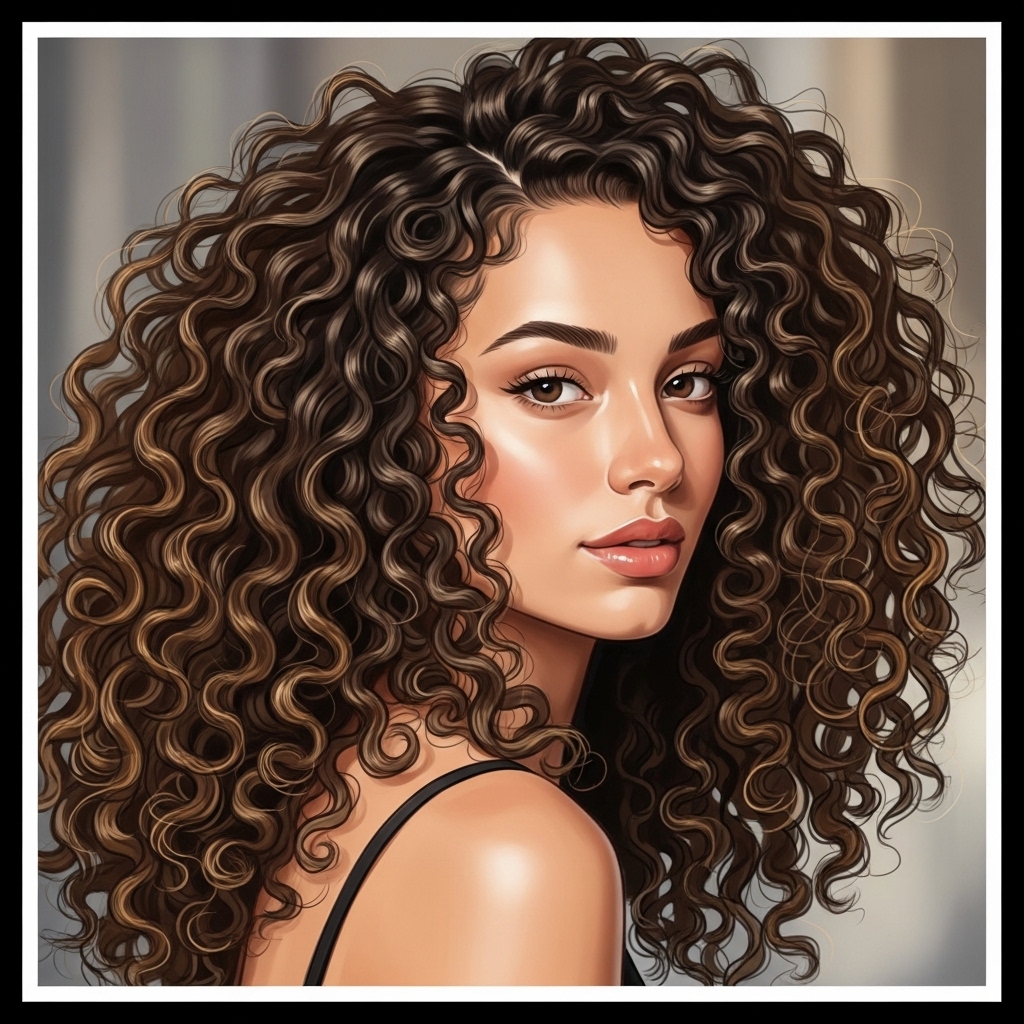
How to Show Texture Without Overdrawing
Texture doesn’t mean more lines. It means smart lines.
Use:
- Line weight variation
- Controlled shading
- Strategic highlights
Less detail often looks more realistic.
Highlights and Shine Explained Simply
Hair shine follows the hair’s direction and curve.
Rule of thumb:
- Shine = smooth surface
- Less shine = textured or matte hair
Leave white space instead of drawing highlights everywhere.
Shading Hair the Right Way
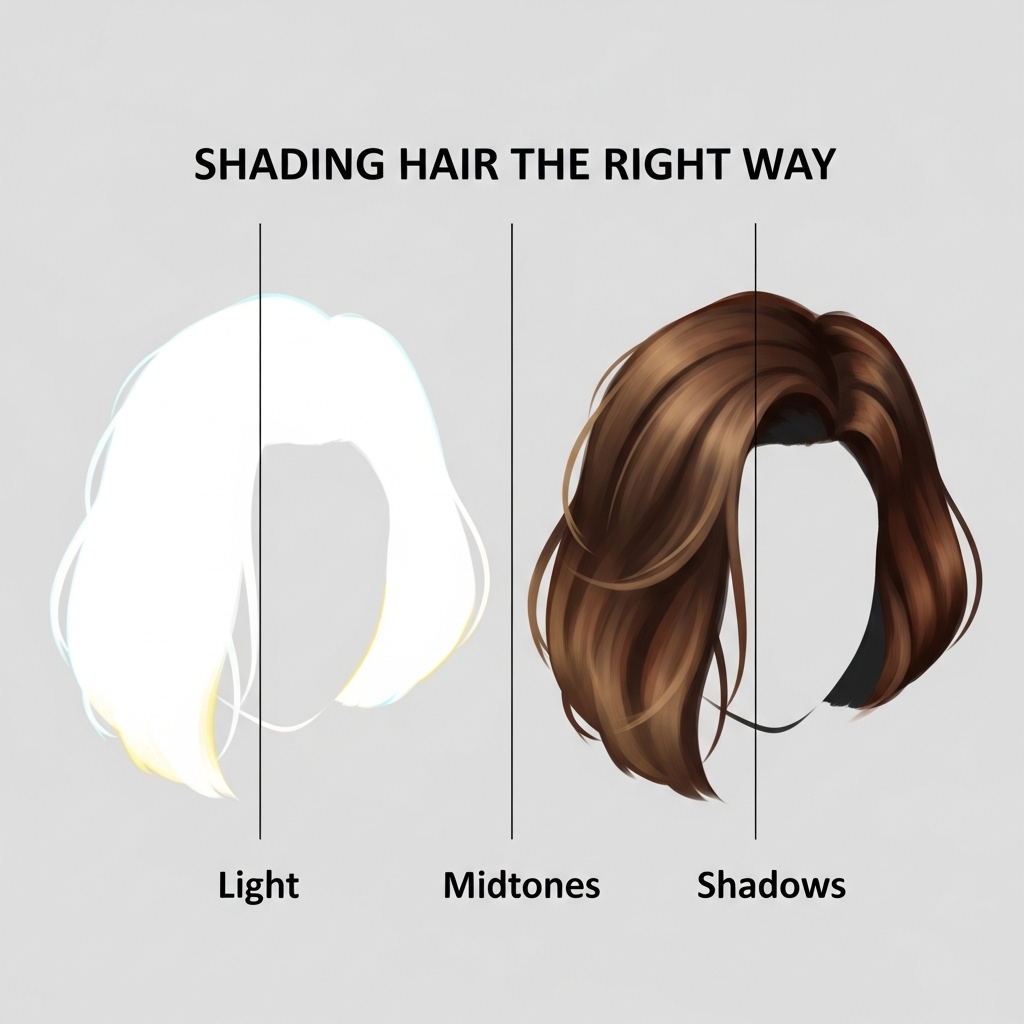
Light, Midtones, and Shadows
Hair shading works best in layers.
Break it into:
- Light areas
- Midtones
- Deep shadows
Shadows usually sit under layers and near the scalp.
Pencil Pressure Matters
Pressing harder doesn’t equal better shading. Control is key.
Try this:
- Light pressure for base tone
- Medium for form
- Heavy for deep shadows
Your pencil should glide, not dig.
Common Hair Drawing Mistakes (We’ve All Done These)
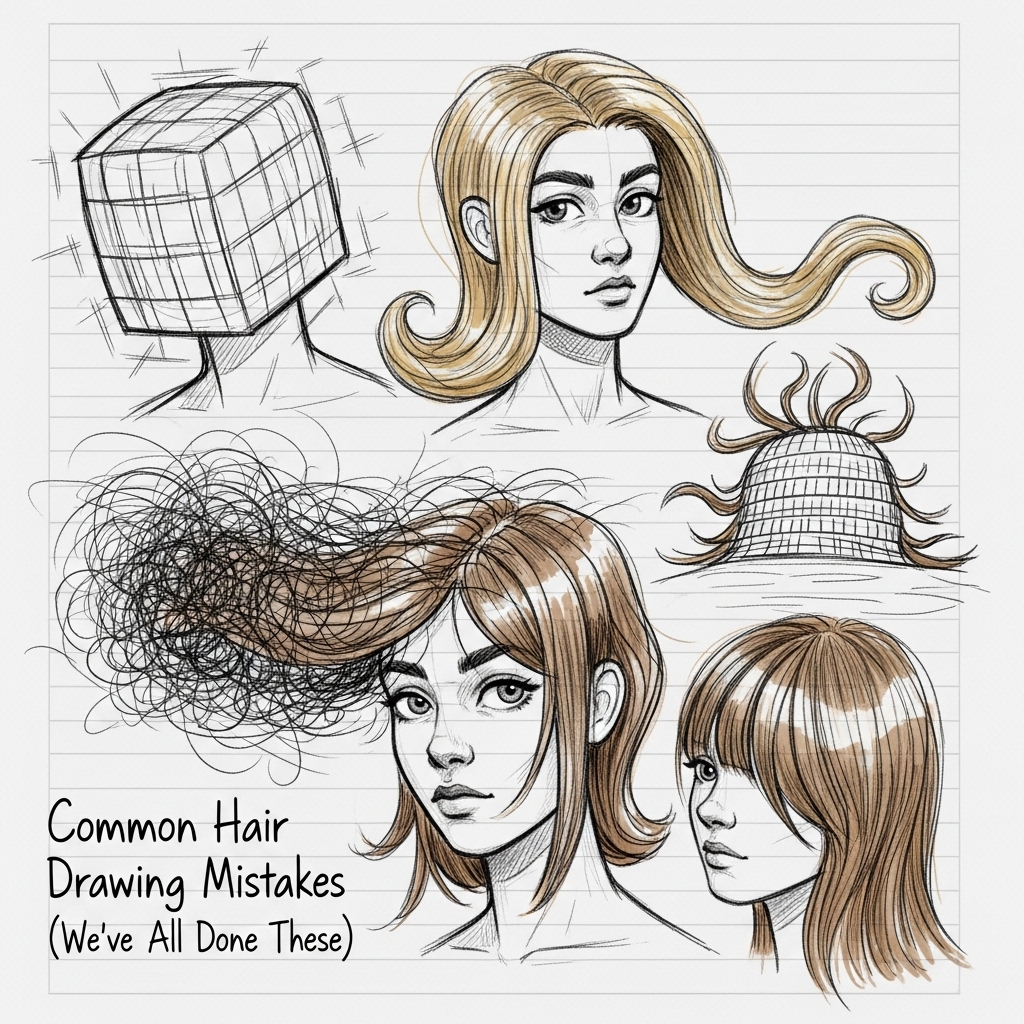
Drawing Individual Strands
This is the biggest mistake. Individual strands make hair look flat and chaotic.
Always think sections first, details last.
Ignoring Volume
Flat hair ruins realism. Even sleek hair has volume.
Add space between scalp and outer edge to fix this.
Same Lines Everywhere
Uniform lines kill depth. Vary thickness and darkness to bring hair alive.
Hair Drawing for Different Styles
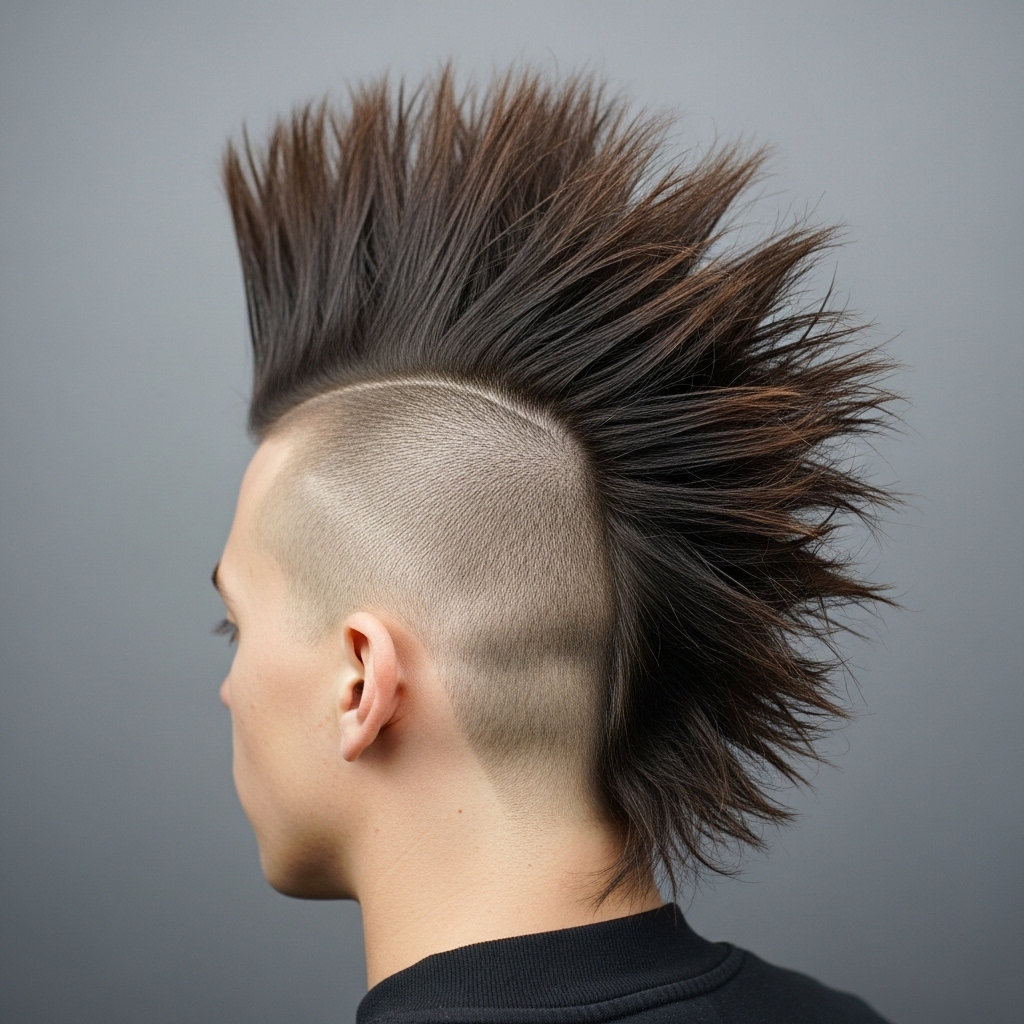
Short Hair Drawing Tips
Short hair still has direction and texture.
Focus on:
- Hair growth patterns
- Sharp edges
- Clean transitions
Less hair doesn’t mean less effort.
Long Hair Drawing Tips
Long hair needs flow and rhythm.
Use:
- Long strokes
- Overlapping sections
- Soft shading
Let gravity guide you.
Anime vs Realistic Hair Drawing
Anime hair exaggerates shapes. Realistic hair follows anatomy.
Anime hair:
- Bold spikes
- Clear shapes
- Minimal shading
Realistic hair:
- Natural flow
- Soft edges
- Gradual shading
Choose your style and commit to it.
Tools That Make Hair Drawing Easier
Best Pencils for Hair Drawing
You don’t need fancy tools.
Great options:
- HB for sketching
- 2B–4B for shading
- Mechanical pencils for details
Simple tools work fine.
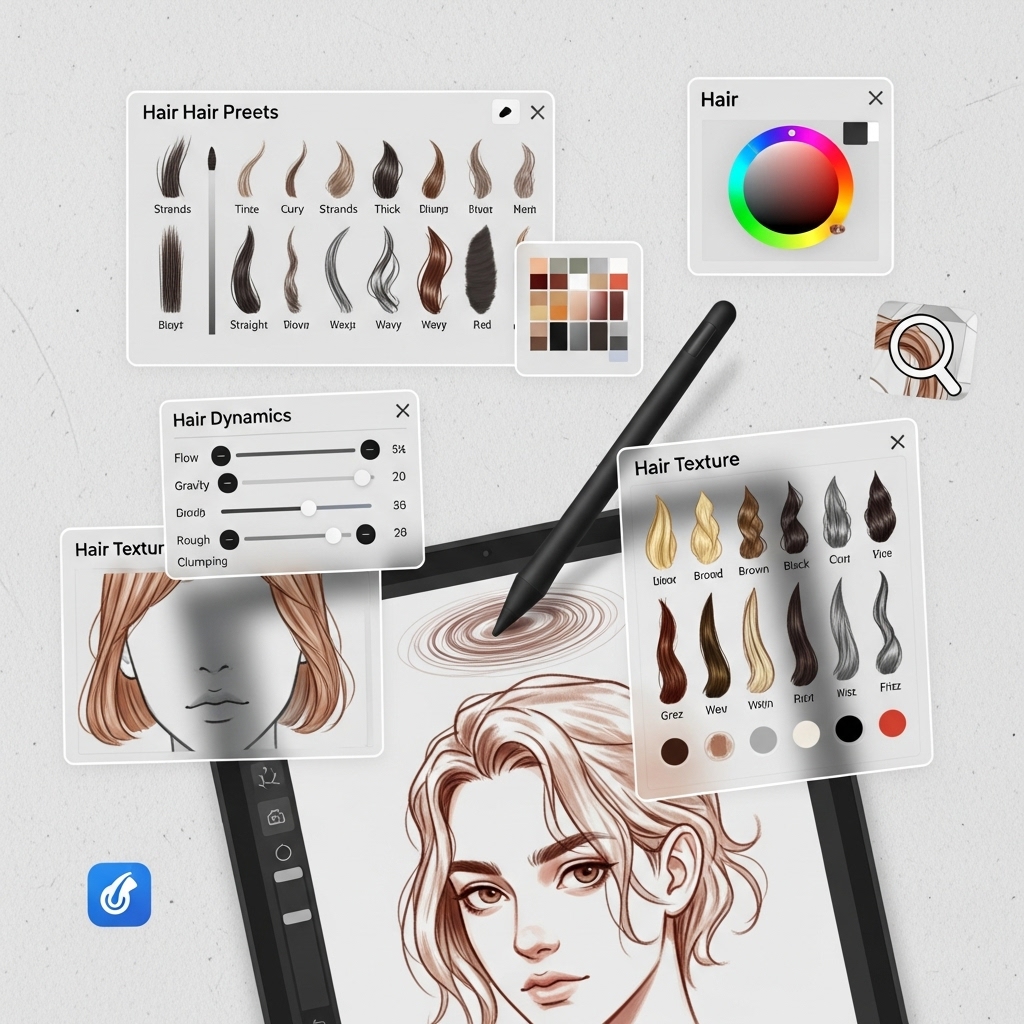
Digital Hair Drawing Tips
Drawing hair digitally? Same rules apply.
Use:
- Pressure-sensitive brushes
- Layer separation
- Soft erasers for highlights
Digital doesn’t mean shortcuts.
Practicing Hair Drawing the Smart Way
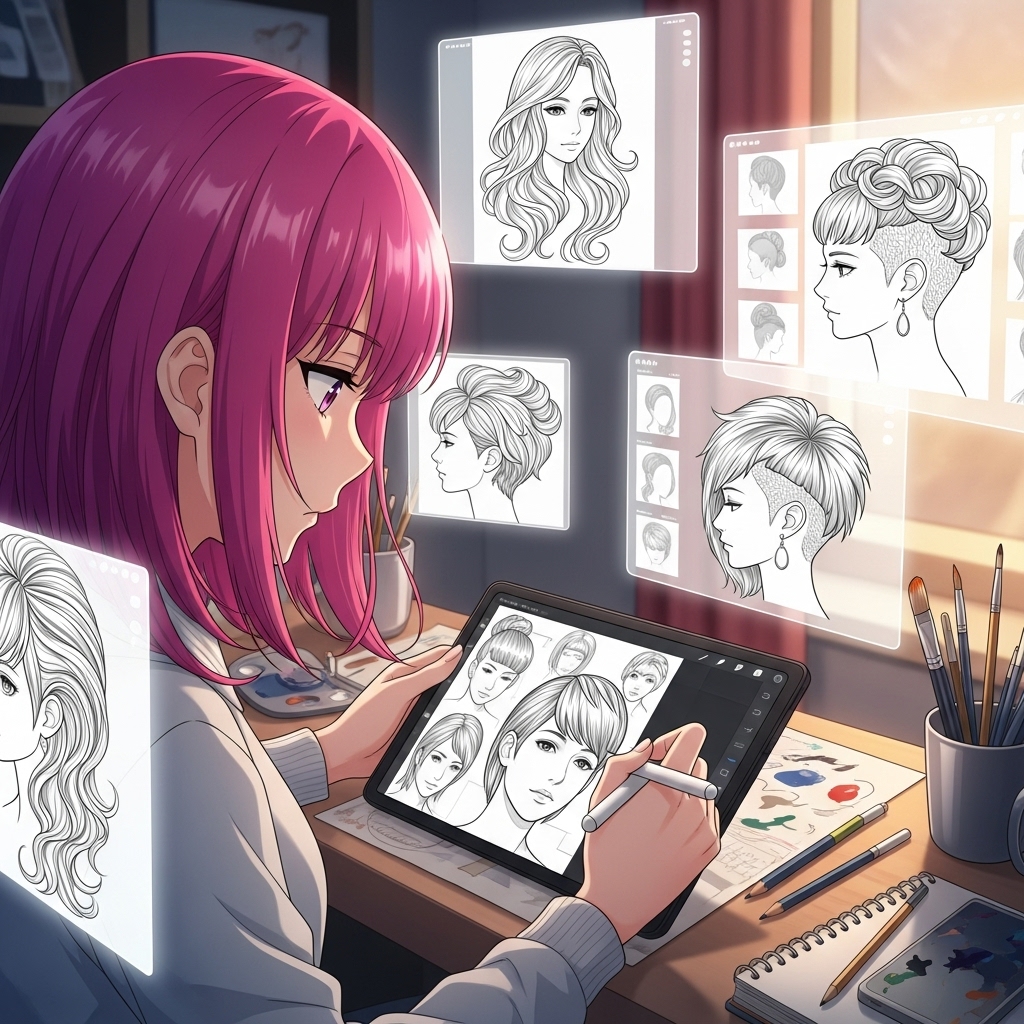
Use References (No Shame)
Professional artists use references all the time. So should you.
Study:
- Hairstyles
- Light direction
- Hair textures
Reference builds visual memory fast.
Practice Small, Not Perfect
You don’t need full portraits daily.
Try:
- Hair-only sketches
- 10-minute studies
- One hairstyle at a time
Consistency beats perfection.
FAQs About Hair Drawing
1. How long does it take to learn hair drawings?
With regular practice, noticeable improvement comes in weeks.
2. Should I draw hair before the face?
Always draw the head and face first. Hair comes last.
3. Is hair drawings harder than faces?
For many artists, yes. But it gets easier with structure.
4. Do I need to draw every strand?
No. Drawing strands is optional and often unnecessary.
5. What’s the fastest way to improve hair drawings?
Study references and focus on shapes, not details.
Conclusion: Hair Drawings Doesn’t Have to Be Scary
Hair drawings feels hard because it’s misunderstood. Once you stop drawing strands and start drawing forms, flow, and light, everything changes. Trust the process, accept messy sketches, and keep going.